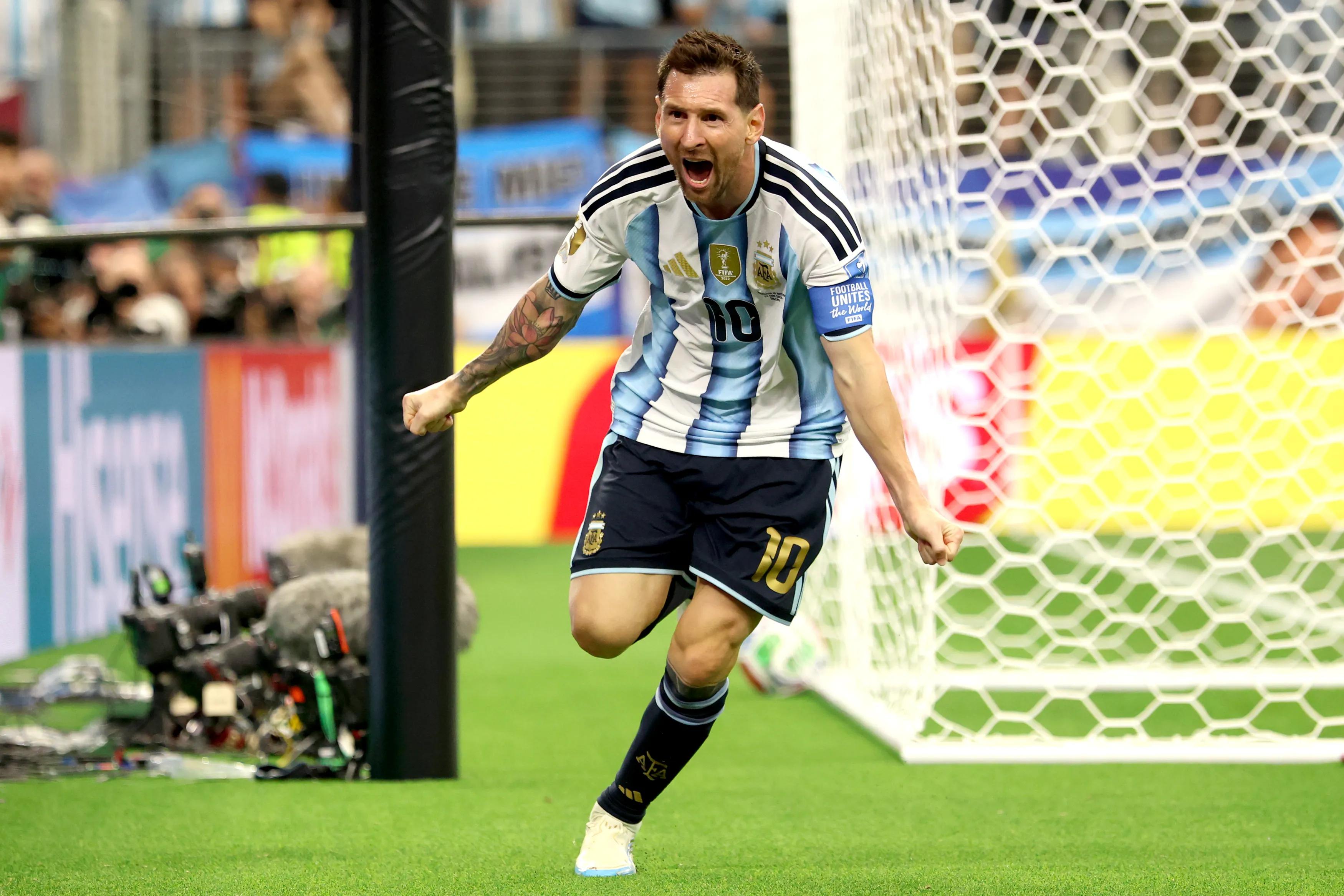
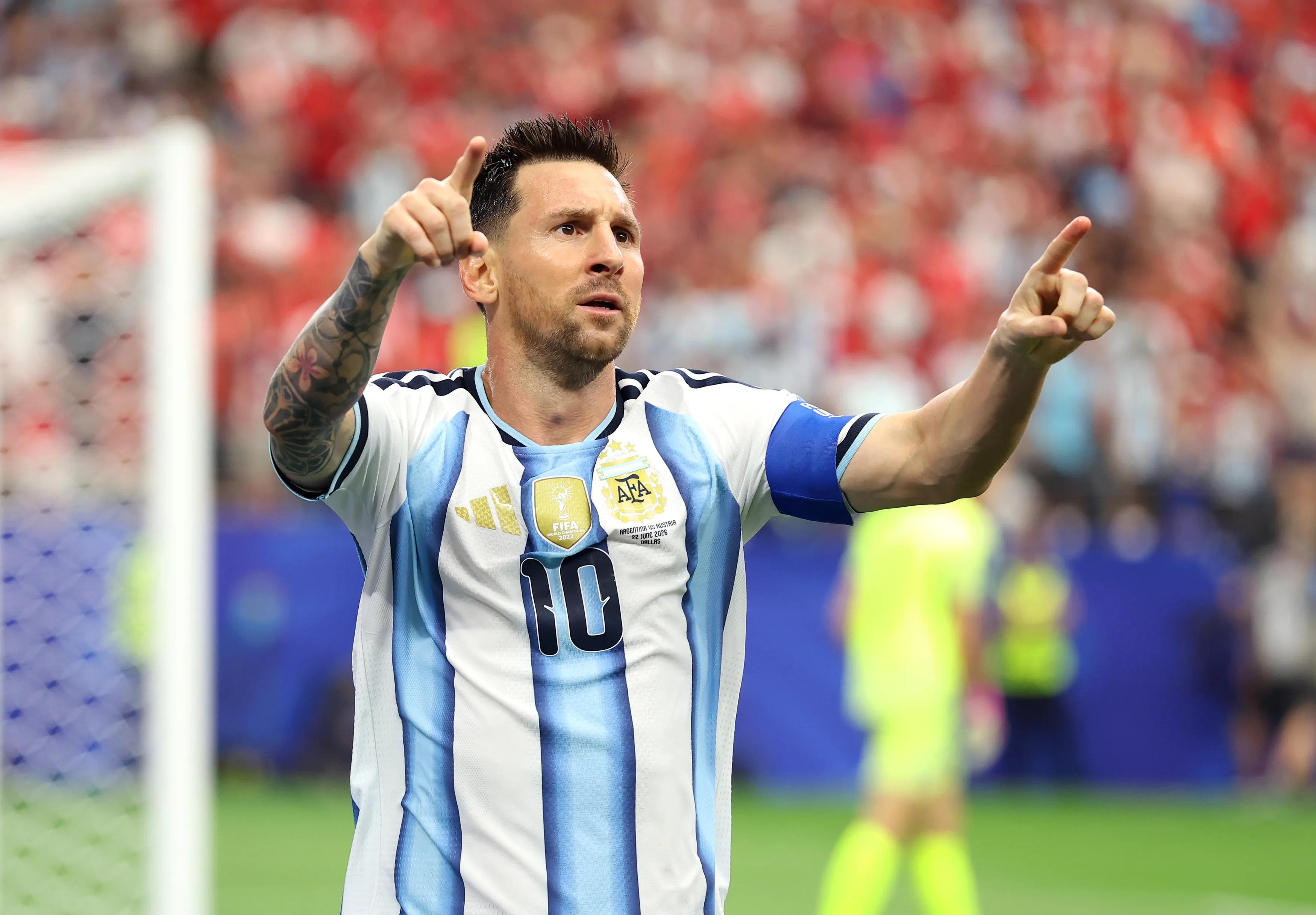
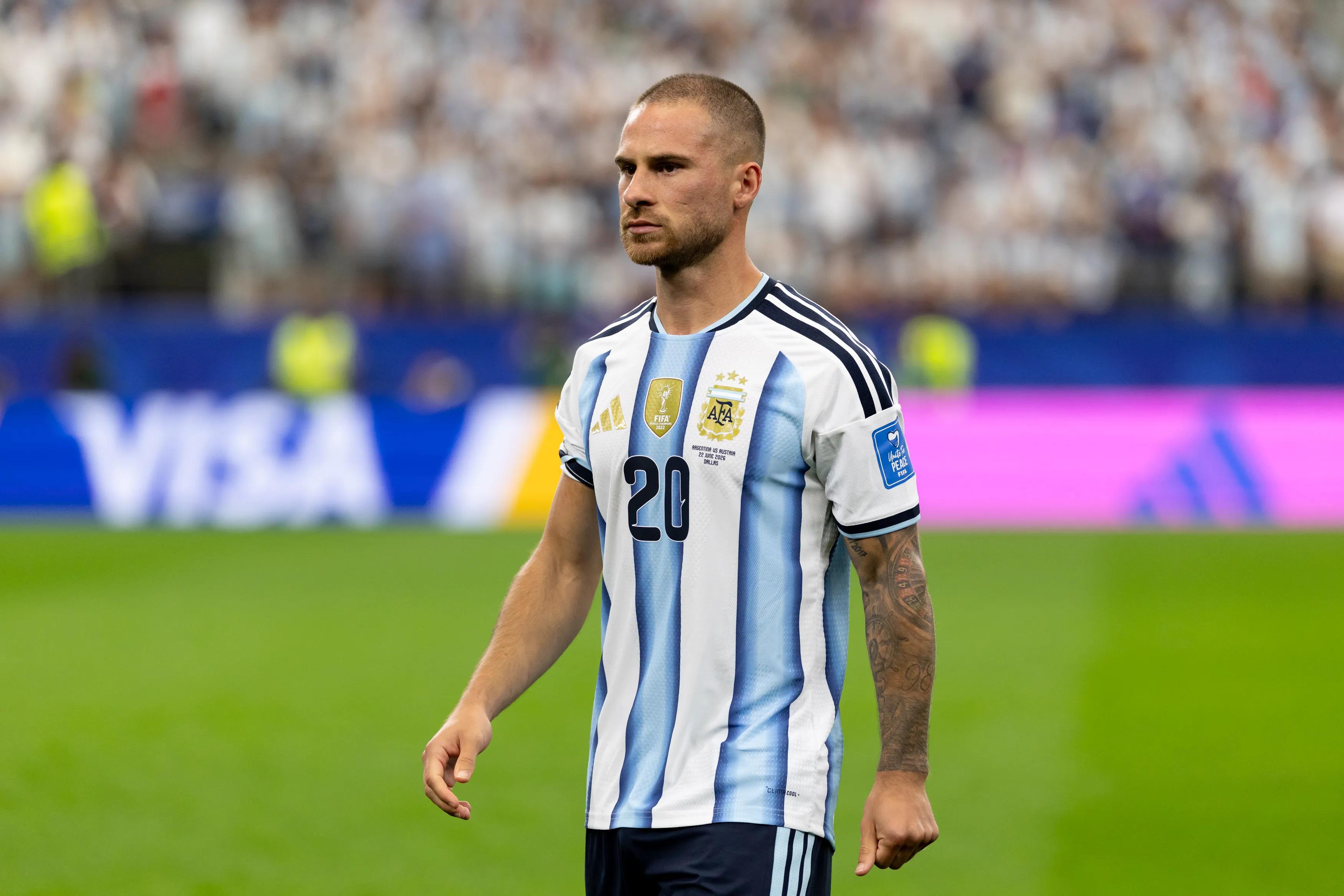
Timing in football can feel accidental until you realize that the sport has a way of staging coincidences too perfect to be mere chance. On the 40th anniversary of Diego Maradona's wonder goal against England, Lionel Messi stepped into Dallas Stadium and produced a performance that seemed to echo that legacy while claiming one entirely his own. His two goals in Argentina's 2-0 win over Austria did more than secure the defending champions' passage to the FIFA World Cup 2026™ Round of 32; they lifted him above Miroslav Klose as the tournament's all-time leading scorer with 18 goals and counting. The first was classic Messi, a deft dummy from Thiago Almada opening the lane for Facundo Medina's pass, which Messi stroked into the bottom corner with the calm of a man who has done this countless times before. The second, in stoppage time, came from a Julian Alvarez effort that goalkeeper Alexander Schlager could only parry, and Messi was there to finish what his teammate had started. Yet the match was no procession. Austria, coached by Ralf Rangnick, defended with intelligence and bravery, with David Alaba making crucial blocks and Marcel Sabitzer, on his 100th international appearance, threatening from a free-kick. Messi had even missed an early penalty, a reminder that even the greatest can stumble before they soar. Nico Gonzalez might have added a third for Argentina late on, but the two-goal margin was enough. The result also continued Messi's extraordinary run of scoring in six consecutive World Cup matches, joining France's Just Fontaine and Brazil's Jairzinho in that exclusive club. The date, the stakes, and the manner of the performance combined to create something that felt larger than a single match. In Texas, everything is said to be bigger, and on this night the biggest presence on the field was a 38-year-old Argentine who continues to rewrite the boundaries of what a footballer can achieve.
🏟️ Teams
What does it mean to break a record on the same date that your country's greatest legend created his most famous moment?