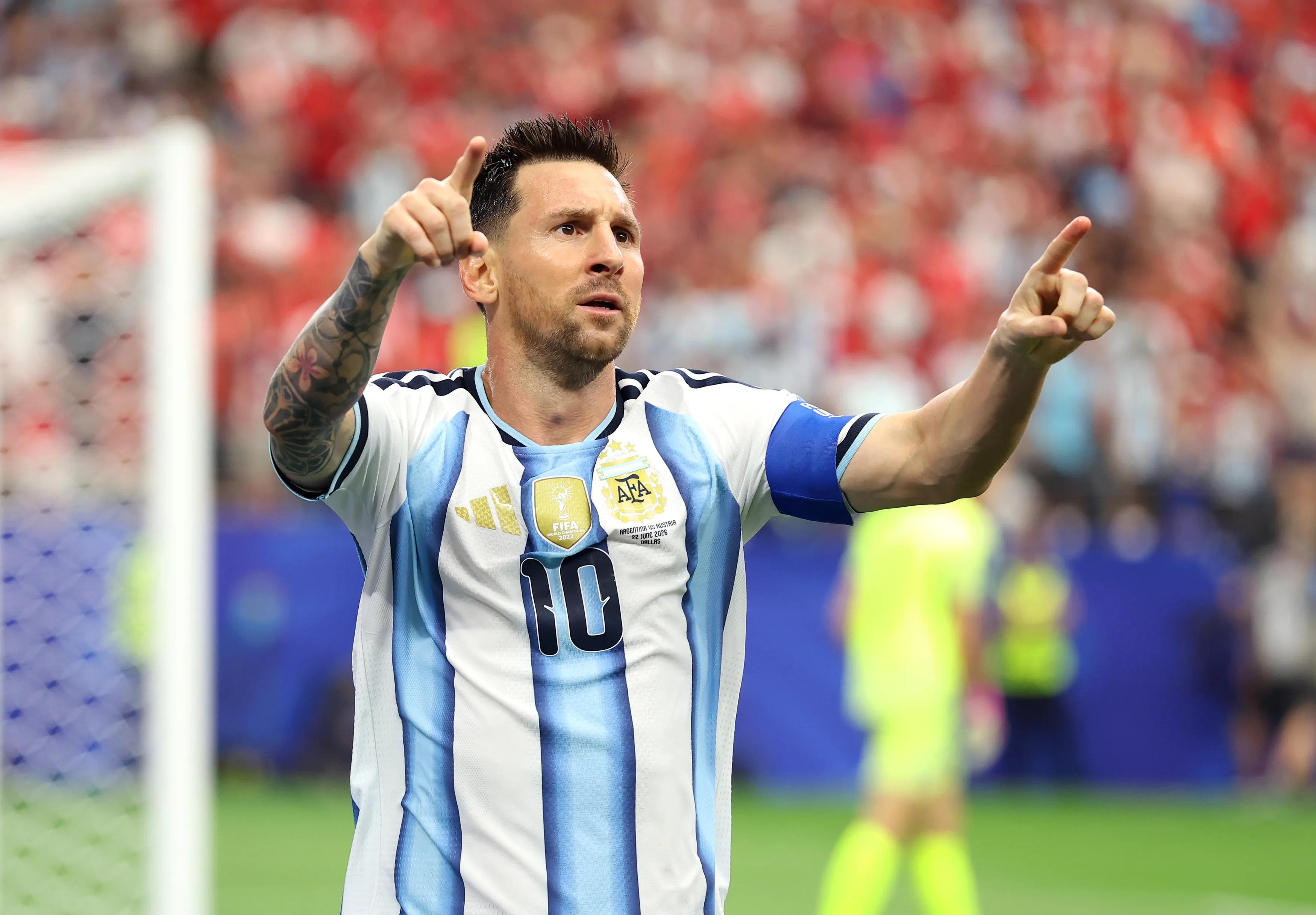
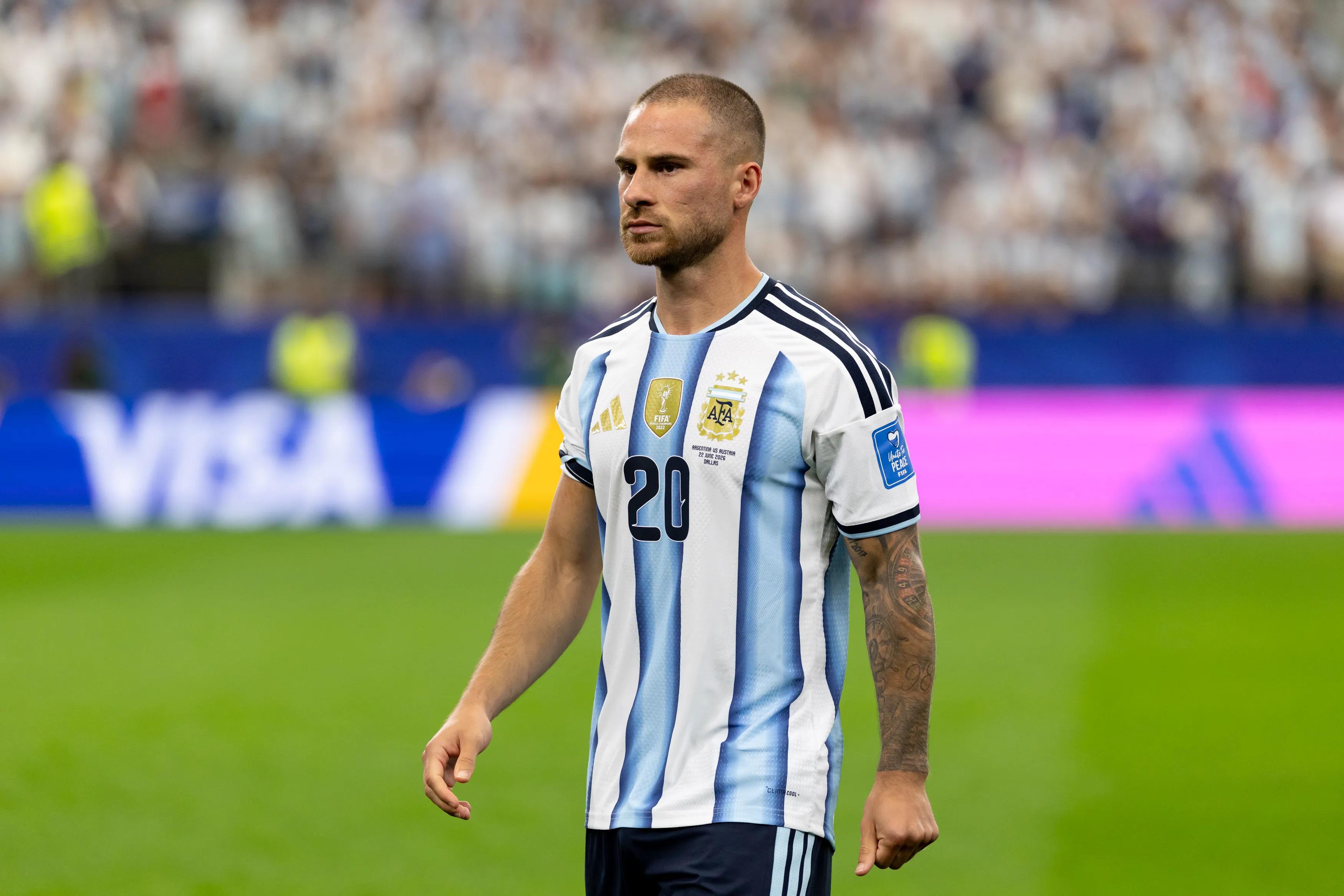
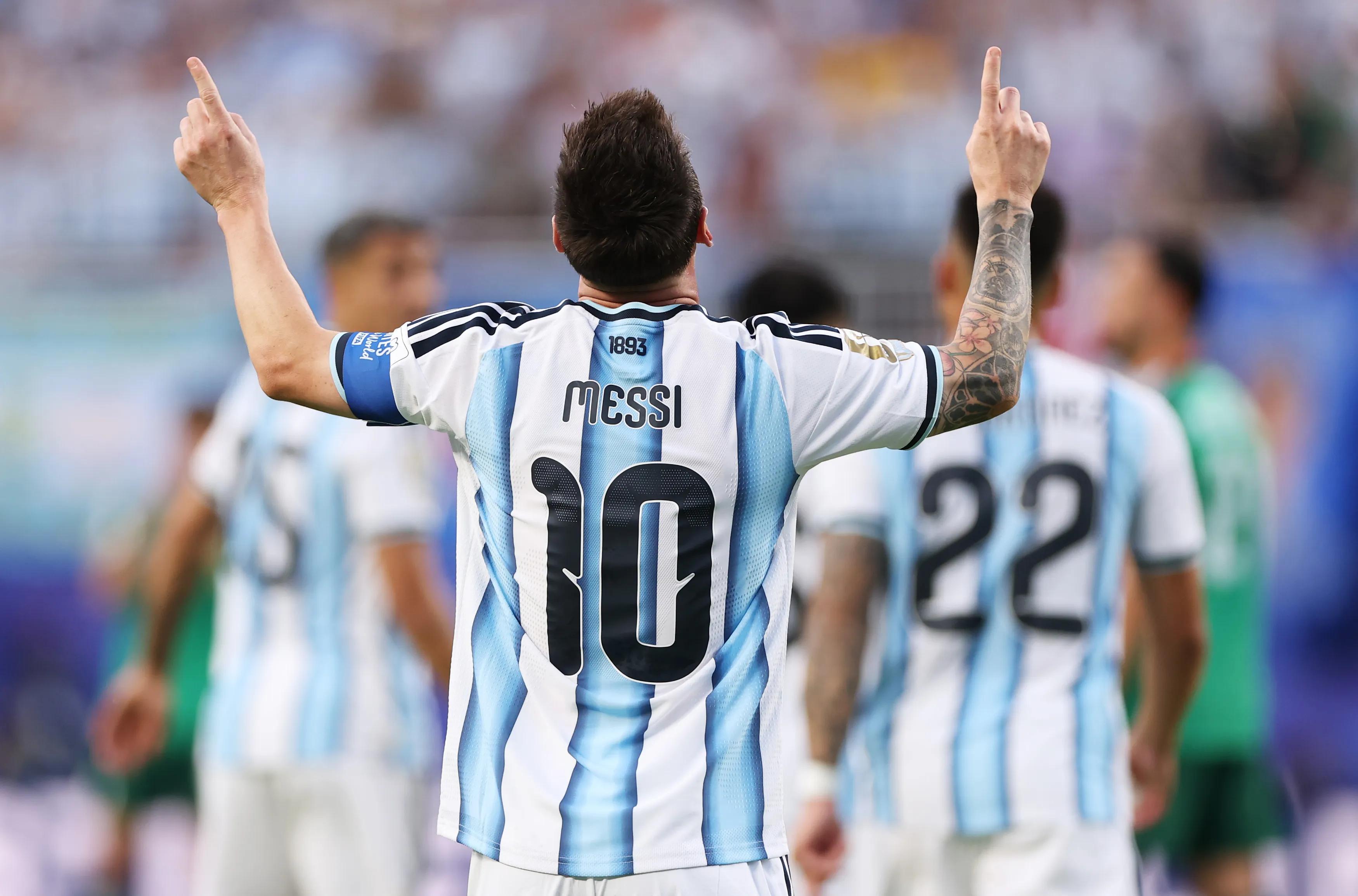
Some achievements announce themselves with fireworks; others arrive so quietly, so inevitably, that the crowd barely knows how to react until the moment has already passed. In Dallas, Lionel Messi delivered one of those rare occasions when disbelief and destiny collided, scoring twice in Argentina's 2-0 win over Austria to rewrite the FIFA World Cup™ scoring record in his own unmistakable handwriting. The number now reads 18, two beyond the legendary total of 16 that Miroslav Klose had defended for more than a decade after assembling it across four tournaments from 2002 to 2014. What made the night even more cinematic was the path Messi took to get there. He had already failed from the penalty spot earlier in the match, a miss that could have rattled a lesser player and turned the stadium's mood from reverent to restless. Instead, just before the interval, he met Facundo Medina's delivery following a clever Thiago Almada dummy and swept a first-time finish past Alexander Schlager to draw level with Klose at 16. The stadium exhaled and roared at the same time, aware that it had just witnessed the equalizer but not yet the coronation. That came deep in stoppage time, when Julian Alvarez forced a save and Messi pounced on the rebound to make it 18, sealing both the victory and a piece of history. Klose himself had acknowledged before the finals that Messi was always likely to arrive at this summit, praising the Argentine's problem-solving and leadership. With his 39th birthday only days away, Messi has now scored in five separate World Cup editions, matching Cristiano Ronaldo, and has propelled the defending champions into the knockout phase with one group match to spare. When asked afterward to name his favorite of the 18, he could only smile and admit he did not know—a fitting answer from a man whose entire career has been built on making the impossible feel routine.
🔥 Headlines
What if the player everyone expected to break the record actually does it twice in one night?