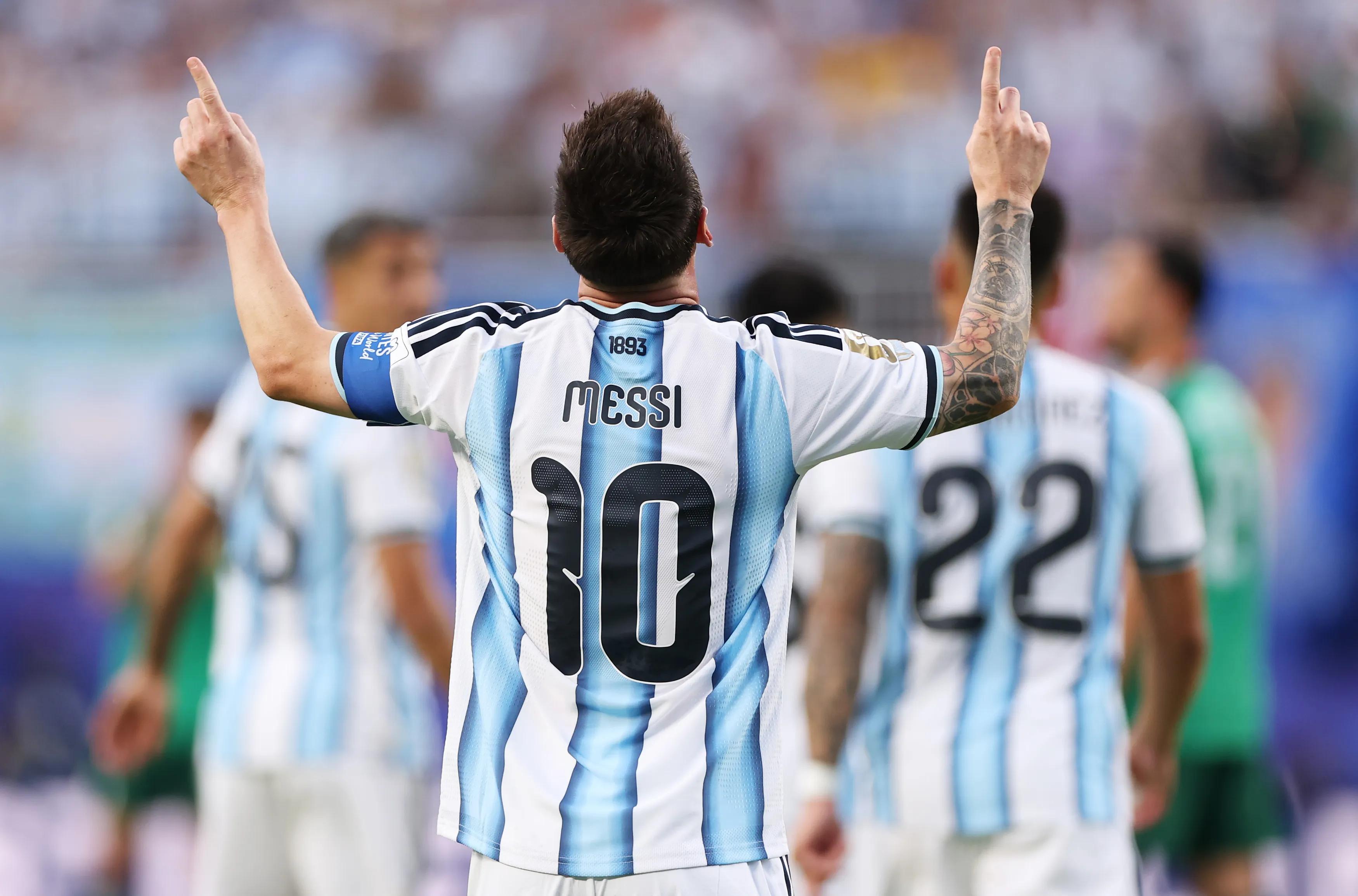
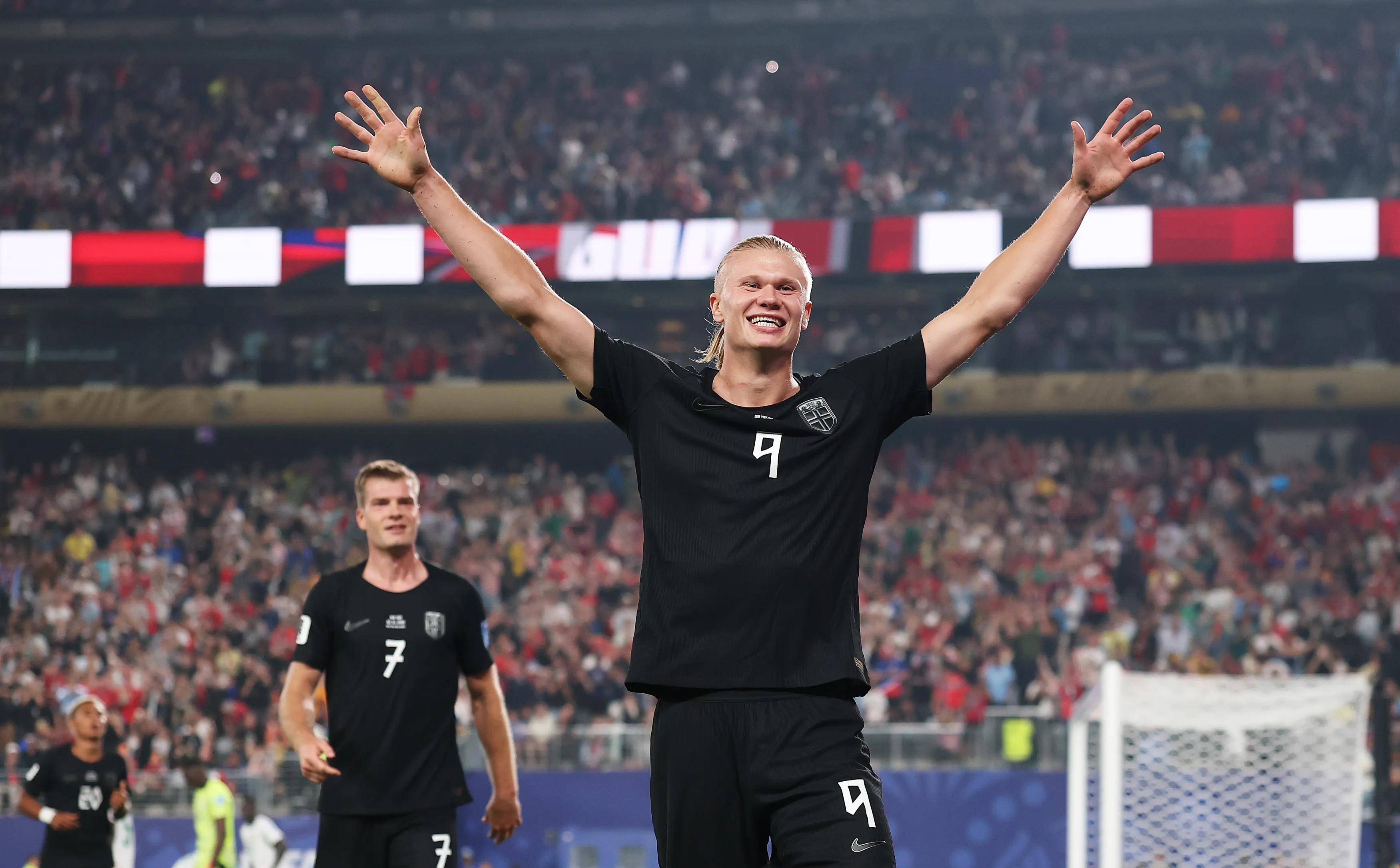
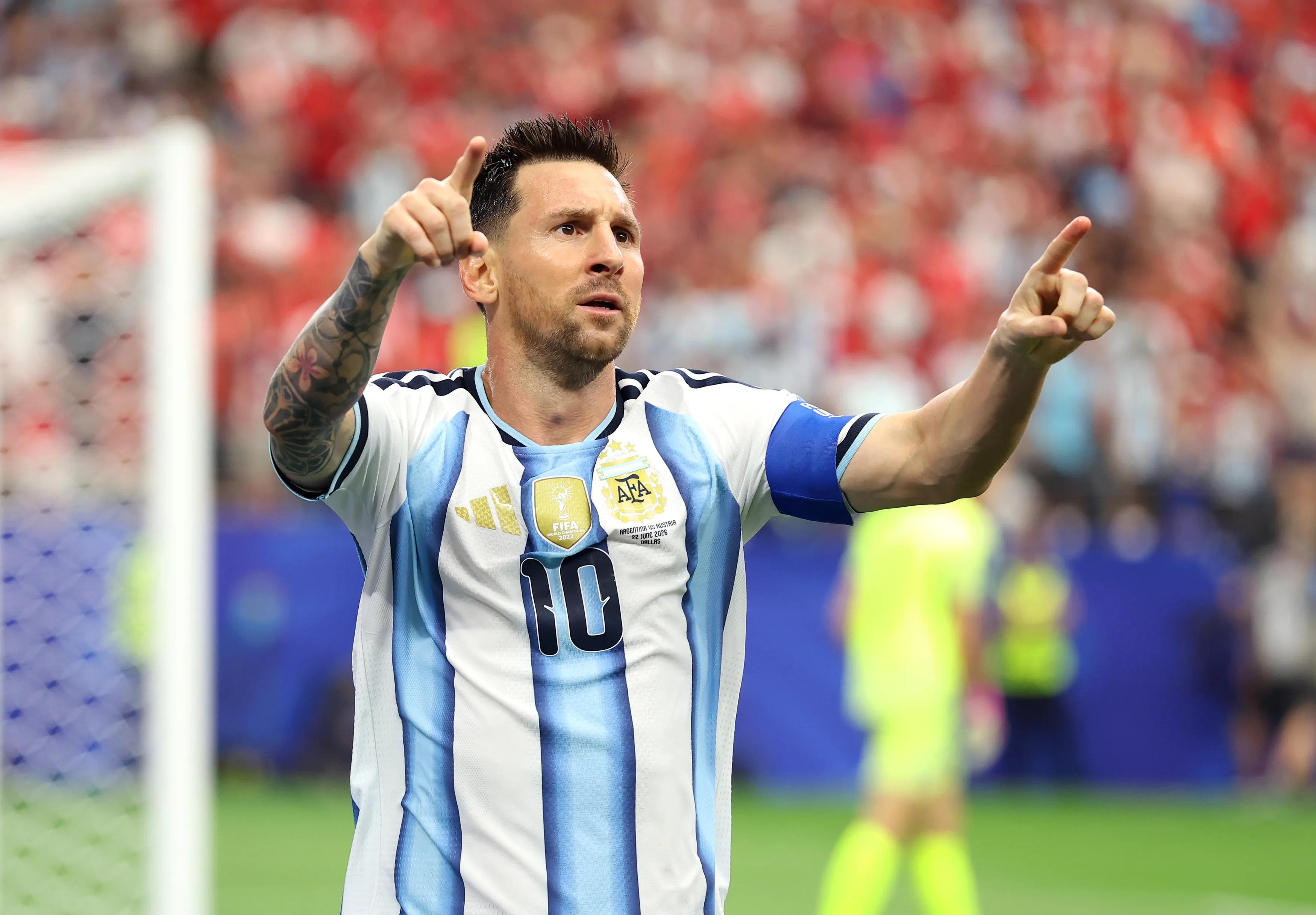
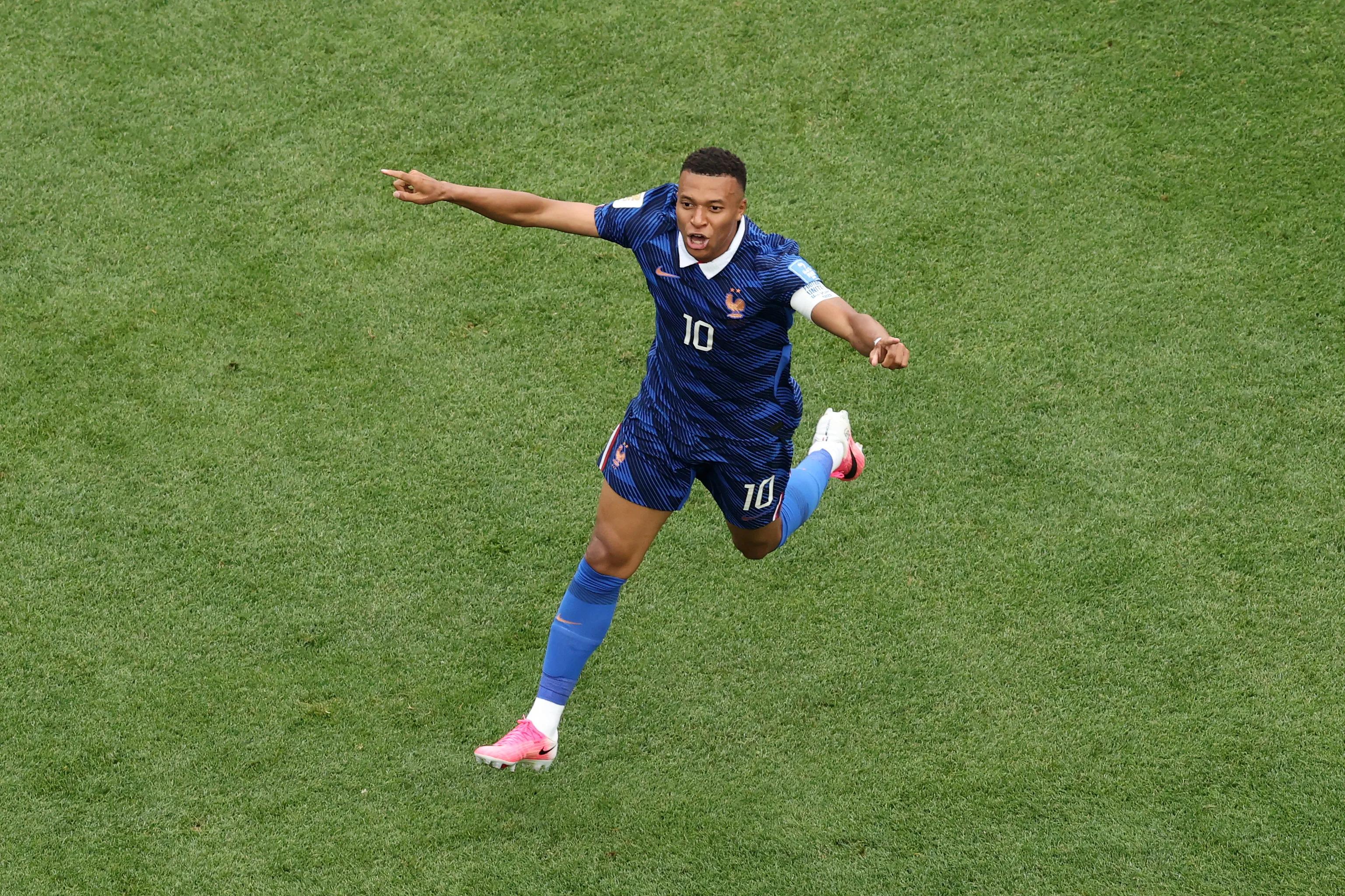
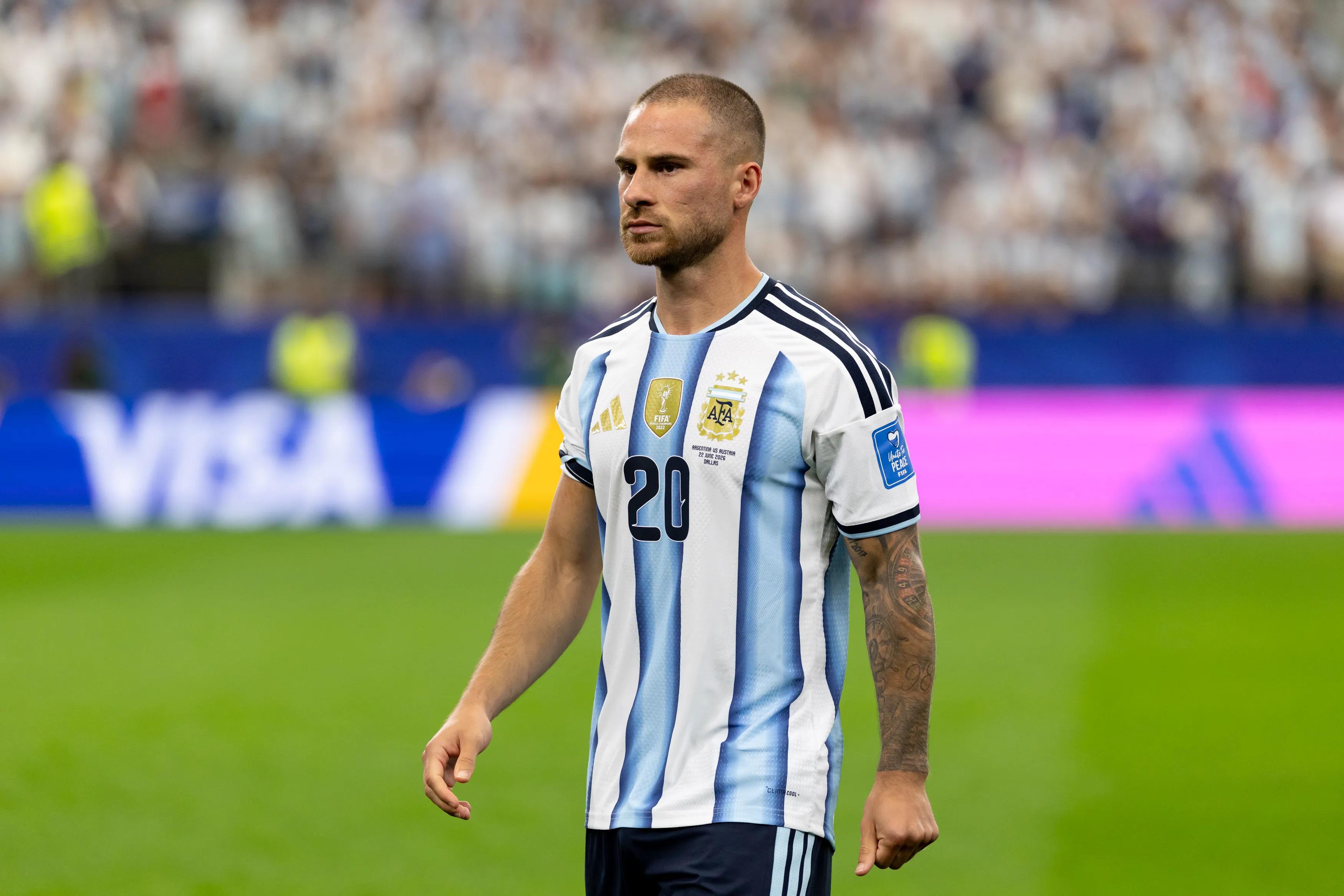
The question of who sits alone at the peak of World Cup goalscoring has always carried a certain gravity, a way of measuring greatness across generations and styles. For more than a decade, Miroslav Klose held that answer with 16 goals, a total built patiently across four tournaments and 24 appearances. Now, at FIFA World Cup 2026™, the landscape has shifted dramatically, and the view from the top looks very different from what anyone expected. Lionel Messi has moved into first place with 18 goals after a hat-trick against Algeria and a brace against Austria, yet his reign may be the most contested in history because Kylian Mbappe has already pulled level with Klose at 16 goals from just 16 World Cup matches. The Frenchman's efficiency is startling: four goals in 2018, eight in 2022, and four already in this tournament, all at a goal-per-game pace that suggests he may not stop at matching records but reshaping them entirely. The broader leaderboard remains a gallery of legends. Brazil's Ronaldo sits fourth with 15 goals in 19 matches across four editions, while West Germany's Gerd Muller occupies fifth with 14 goals in only 13 appearances, giving him the most lethal ratio among the elite. Just Fontaine's 13 goals in a single 1958 tournament still stands as one of football's most unbreakable feats, achieved in just six matches. Pele follows with 12 from 14 appearances, and behind him a constellation of iconic names—Sandor Kocsis, Jurgen Klinsmann, Helmut Rahn, Gabriel Batistuta, Gary Lineker, Teofilo Cubillas, Ademir, Eusebio, and Christian Vieri—each reached double figures. What makes the current moment so compelling is not merely who leads today, but who is still climbing. Messi has history on his side, but Mbappe has time and velocity. As the knockout rounds approach, every goal either man scores will ripple through this pantheon, reminding us that records are not just broken—they are constantly renegotiated by the players bold enough to chase them.
⭐ Players
Who truly owns the summit when the two greatest climbers are still scaling the same mountain?