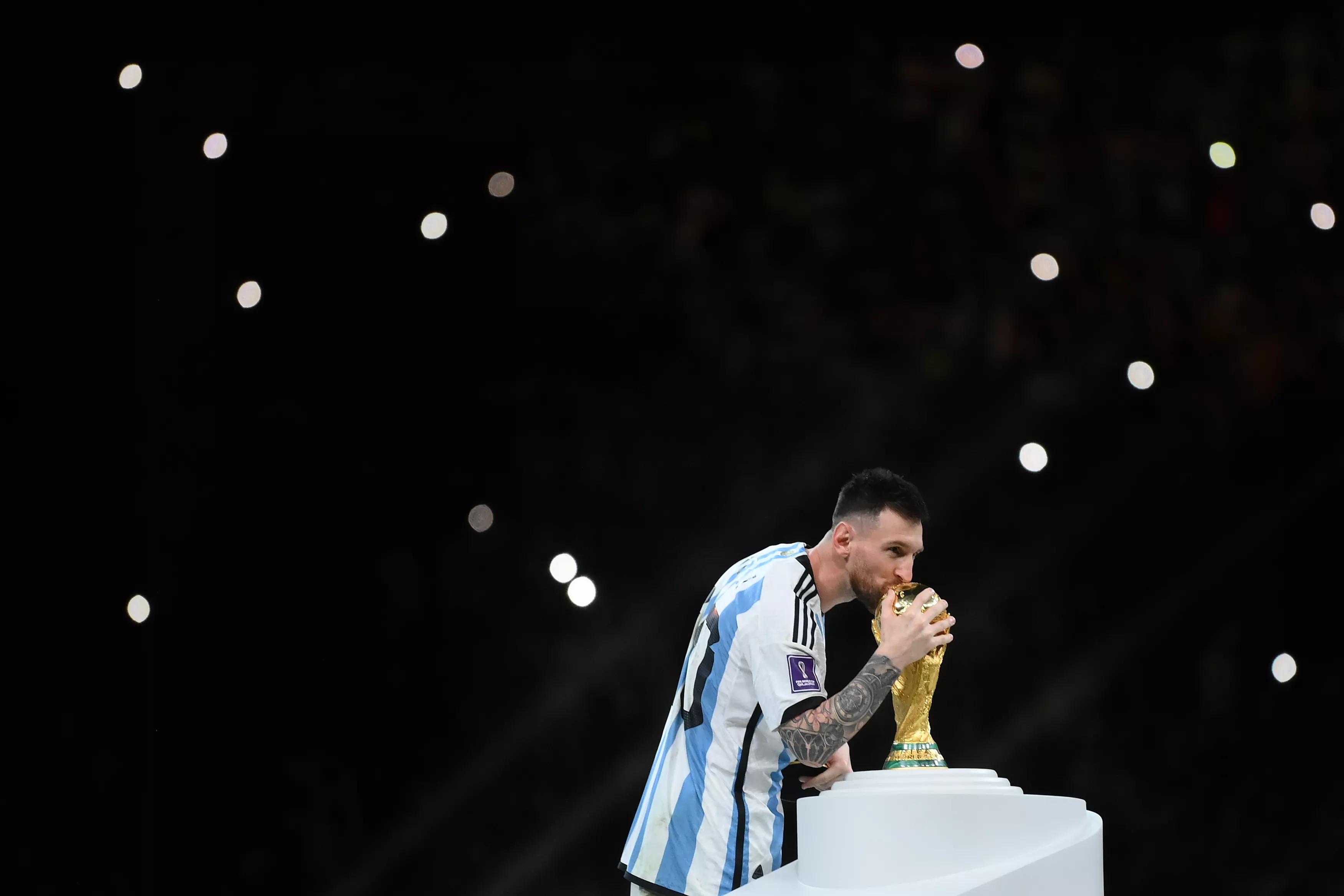
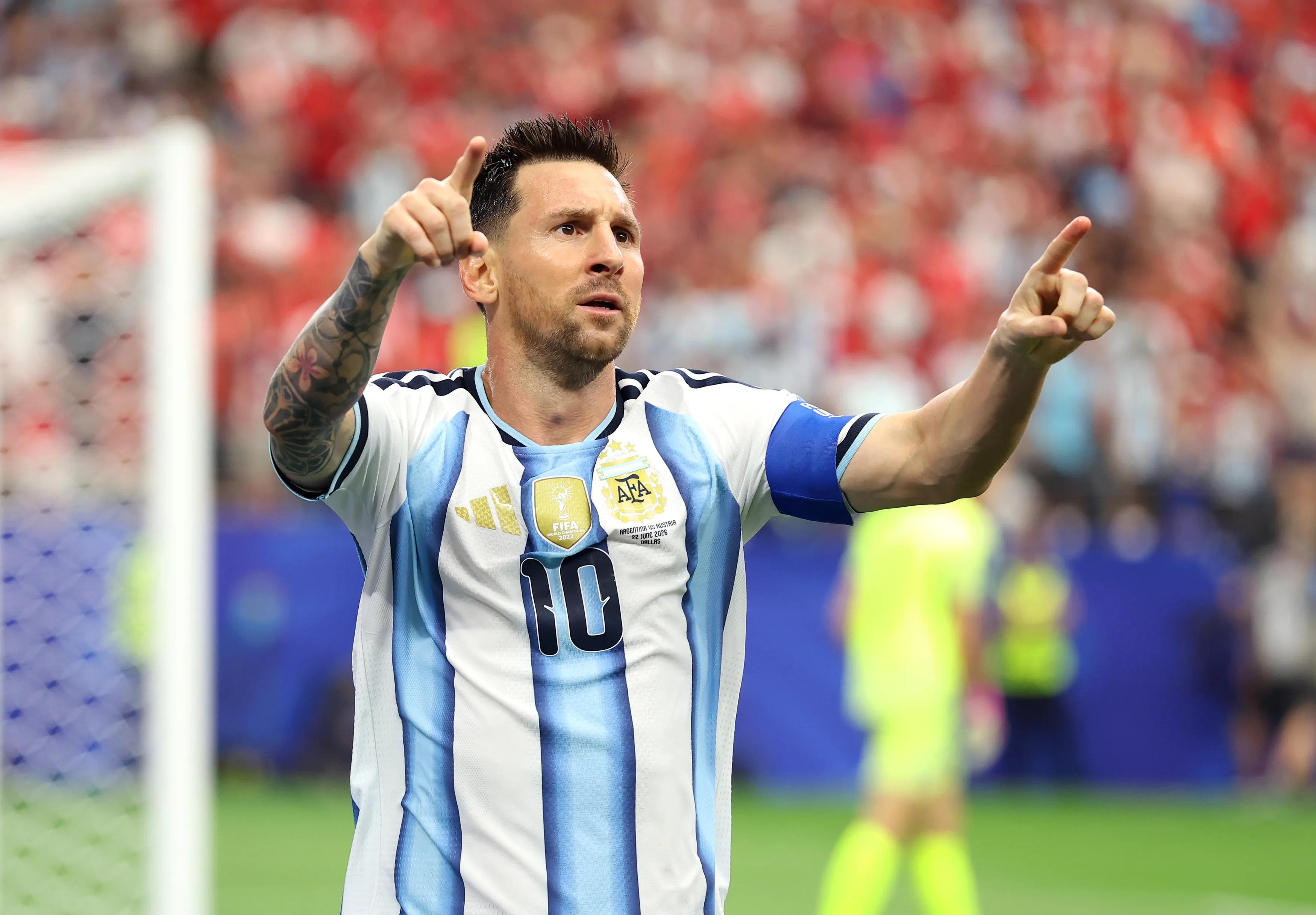
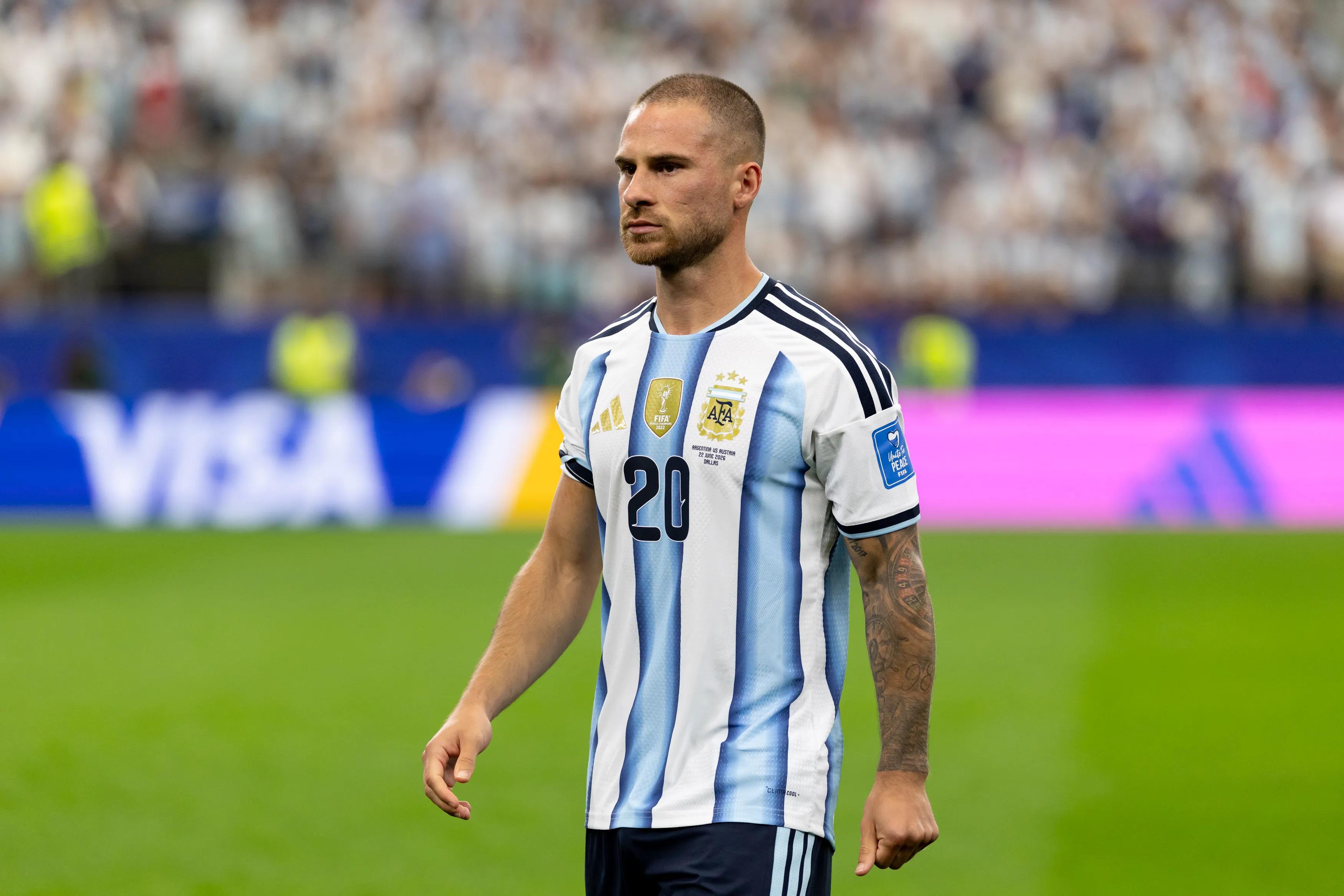
The accumulation of greatness can become so relentless that each new milestone risks being swallowed by the shadow of the last. Yet Lionel Messi continues to find new peaks within the same mountain range, and his FIFA World Cup 2026™ campaign has become a kind of record-breaking festival that leaves observers wondering which mark he might claim next. After a hat-trick against Algeria and a brace against Austria, Messi now stands alone atop the all-time World Cup scoring chart with 18 goals, two clear of Miroslav Klose's former benchmark of 16. That alone would be enough for most careers, but for Messi it is merely the most visible entry on a much longer list. The same Austria victory gave him 18 World Cup wins, surpassing another Klose record, while his scoring streak now stretches to six consecutive World Cup matches, a feat previously achieved only by Just Fontaine and Jairzinho. Against Algeria, at 38 years and 357 days, he became the oldest hat-trick scorer in tournament history, eclipsing Cristiano Ronaldo's previous mark of 33 years and 130 days set against Spain in 2018. Messi and Ronaldo remain the only players to score in five separate World Cup editions, and Messi has long since become Argentina's leading World Cup marksman, leaving Gabriel Batistuta, Diego Maradona, Guillermo Stabile, Mario Kempes, and Gonzalo Higuain behind him. The Algeria treble also made him the highest-scoring South American in tournament history, moving past Brazil's Ronaldo at 15. With two long-range goals against Austria, he now has six from outside the area at World Cups, surpassing Rivellino's previous record of five. Messi also shares the distinction of appearing in six World Cup editions with Ronaldo, Antonio Carbajal, Lothar Matthaus, Rafa Marquez, and Andres Guardado, and he has completed the most dribbles in tournament history. What remains remarkable is not the quantity of records but the calm with which he collects them, as if rewriting history were simply the natural consequence of showing up and playing well.
⭐ Players
When one man holds this many records, is there anything left for history to even offer him?