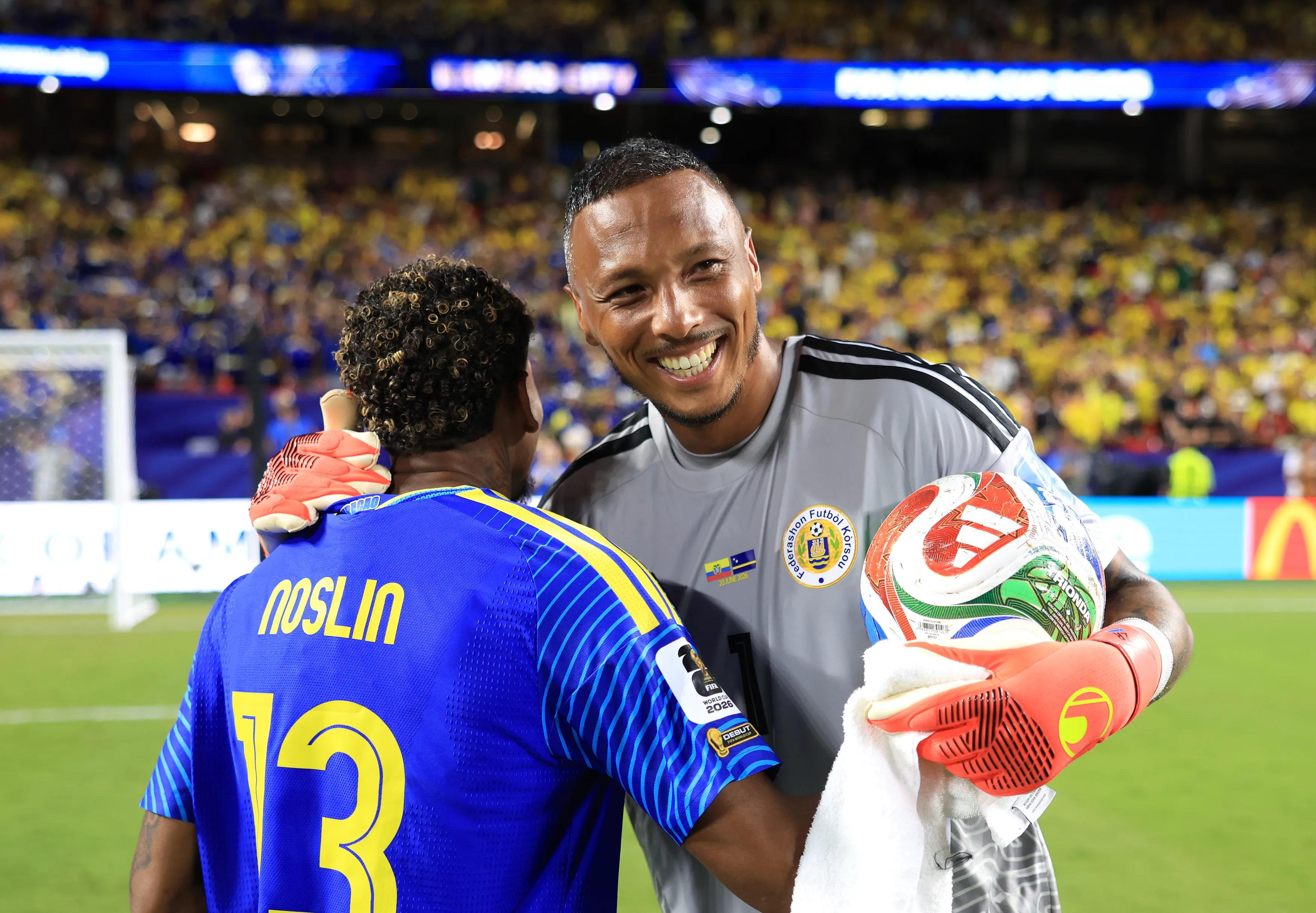
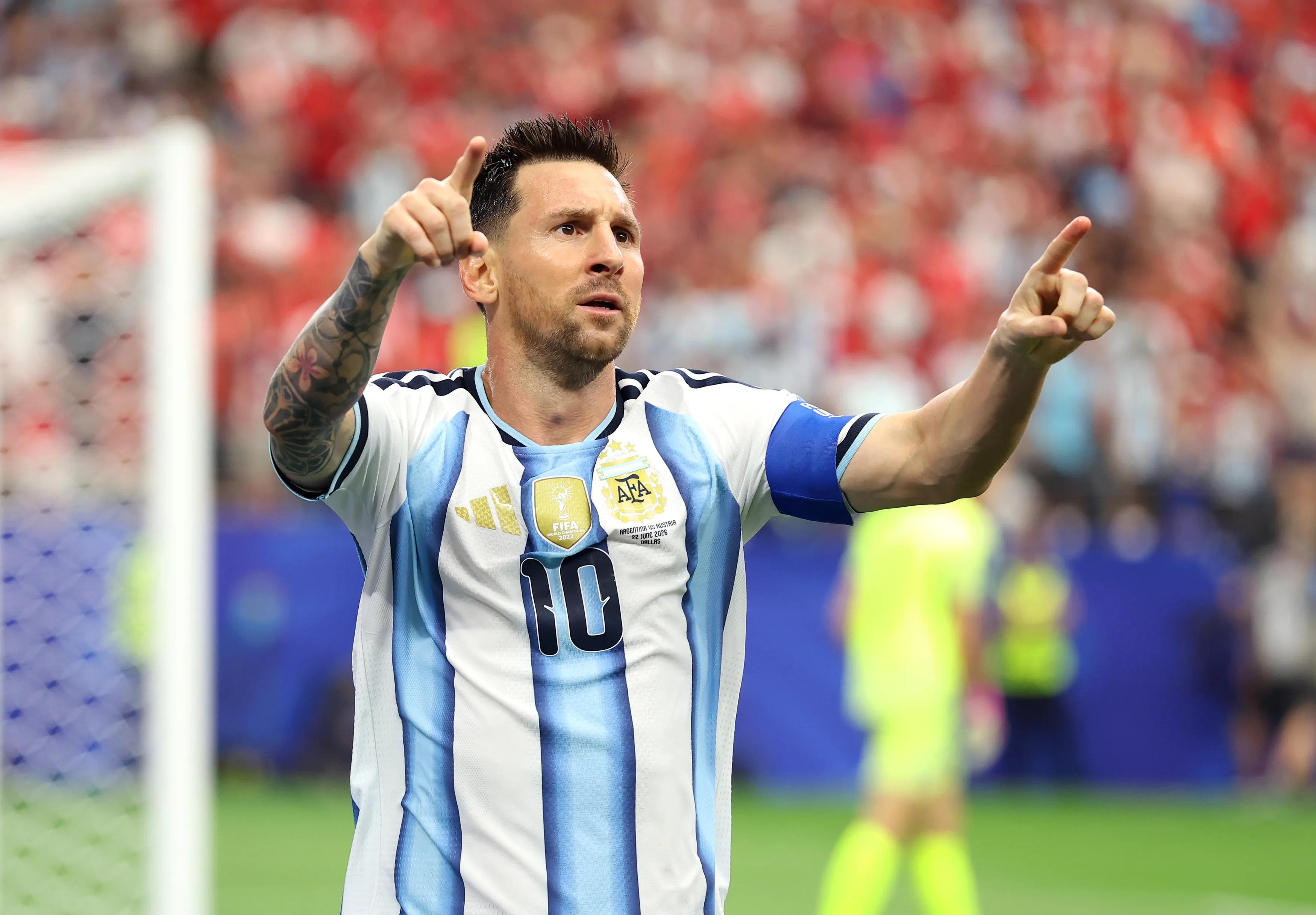
Sometimes the World Cup reminds us that fairy tales are not reserved for the usual suspects. Across one remarkable evening, the tournament delivered stories that would strain credibility in any screenplay, from a goalkeeper who once seemed destined to be outnumbered to a striker who once clocked into factory work before dawn. The common thread was defiance, and by the final whistle several underdogs had rewritten their own narratives. In Kansas City, Eloy Room produced a scarcely believable sixteen saves to keep Ecuador at bay and earn Curaçao their first ever World Cup point, surpassing even the heroics Cabo Verde's Vozinha had produced earlier in the week. The South Americans battered the Caribbean goal with close to thirty attempts, struck the woodwork three times and still could not find a way past the inspired goalkeeper. In Toronto, Deniz Undav climbed off the bench to score twice and rescue Germany from a 1-0 deficit against Côte d'Ivoire, sending the four-time champions through as group winners and launching himself to the top of the Golden Boot race ahead of Lionel Messi. His first goal, a cushioned volley, steadied German nerves; his second, a stunning turn and finish, sealed one of the most dramatic comebacks of the competition. In Houston, the Netherlands painted the stadium orange with a 5-1 demolition of Sweden in which Brian Brobbey and Cody Gakpo each scored twice, and substitute Crysencio Summerville added a fifth. Graham Potter's expensive Swedish strike force could not match the Dutch dynamism, leaving Sweden in desperate need of a result against Japan. Japan themselves produced the most historic result of all, marking the tournament's one thousandth match with a 4-0 rout of Tunisia, the first time any Asian nation had won a World Cup game by four goals. The night belonged to the dreamers, to those who refuse to read the script, and to players who proved that on this stage the impossible is simply the next challenge waiting to be overcome.
⭐ Players
What if the most unforgettable night of the tournament belonged to the smallest nations and the unlikeliest heroes?