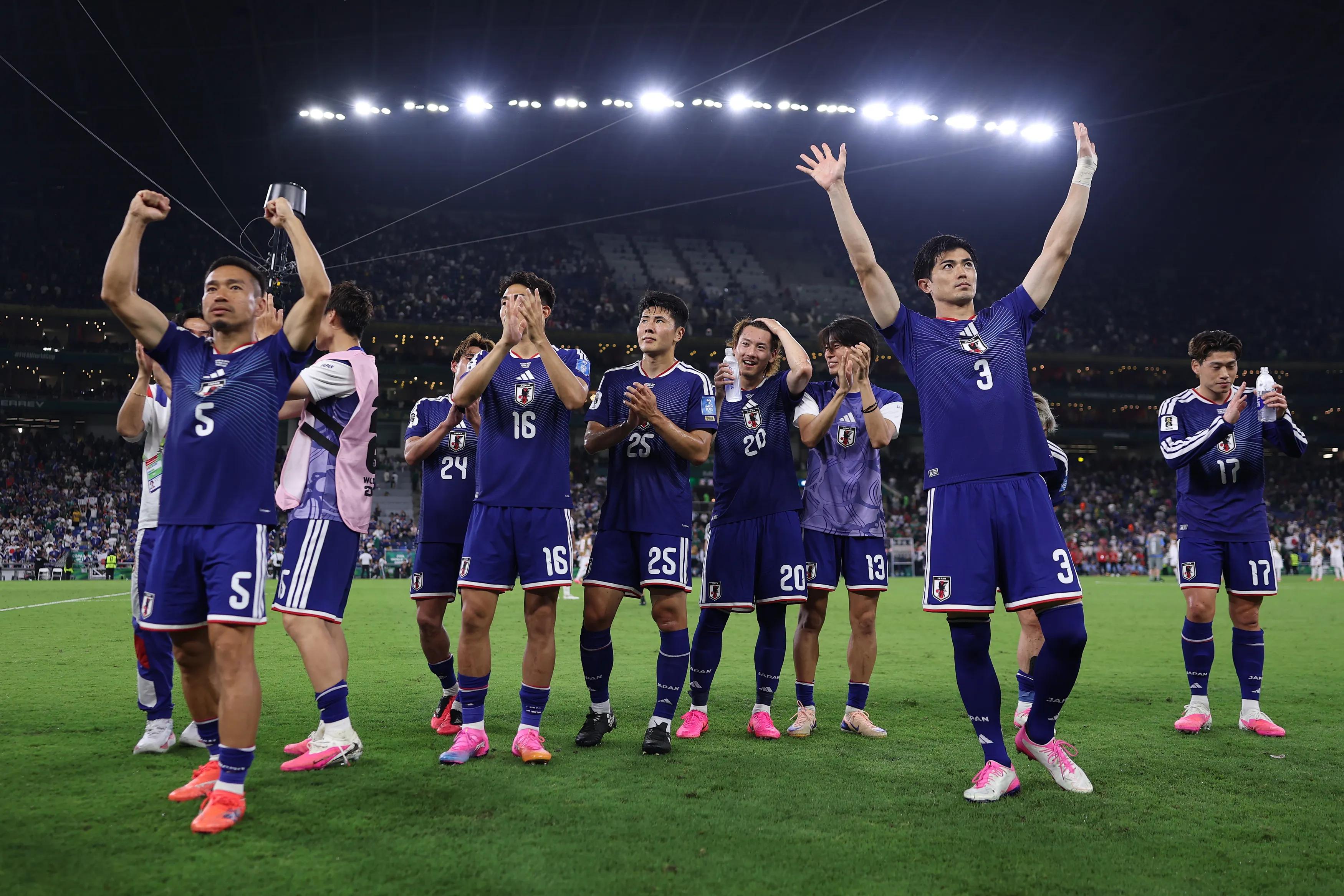
Every World Cup produces memorable scorelines, but few matches generate a list of records long enough to fill a museum. Japan's 4-0 demolition of Tunisia on the tournament's one thousandth outing was one of those rare occasions when numbers tell only part of an extraordinary story. The Samurai Blue did not merely win; they obliterated barriers that had stood for generations, carrying Asian football into uncharted territory with a display of clinical brilliance. The clean sheet was the first Japan had kept in eleven World Cup matches, ending a run that stretched back to a goalless draw with Greece at Brazil 2014. Then there was the individual brilliance. Ayase Ueda became the first Japanese player ever to score twice in a single World Cup match, a feat achieved across more than two decades of finals football and twenty-five previous national goals. Daichi Kamada, who had already scored against the Netherlands, joined an equally exclusive club by finding the net in back-to-back World Cup appearances, matching Junichi Inamoto's achievement from 2002. Kamada also wrote his name into the record books by striking after just four minutes, the fastest goal Japan have ever scored at a finals, eclipsing Shinji Kagawa's sixth-minute penalty against Colombia four years earlier. For Hajime Moriyasu, the triumph marked a third World Cup victory as Japan coach, surpassing both Philippe Troussier and Takeshi Okada, who had managed two each. Perhaps most significantly, the four-goal margin was unprecedented not only for Japan but for any Asian Football Confederation nation, breaking a ceiling that had stood since Korea DPR's five-goal haul in 1966. Each statistic on its own would have made headlines; together they formed a symphony of progress that announced Japan's arrival as a force unwilling to accept old limitations. On a night of historic milestones, the Samurai Blue proved that the next chapter of Asian football is being written in real time.
🏟️ Teams
What does it look like when one match rewrites an entire continent's history books?