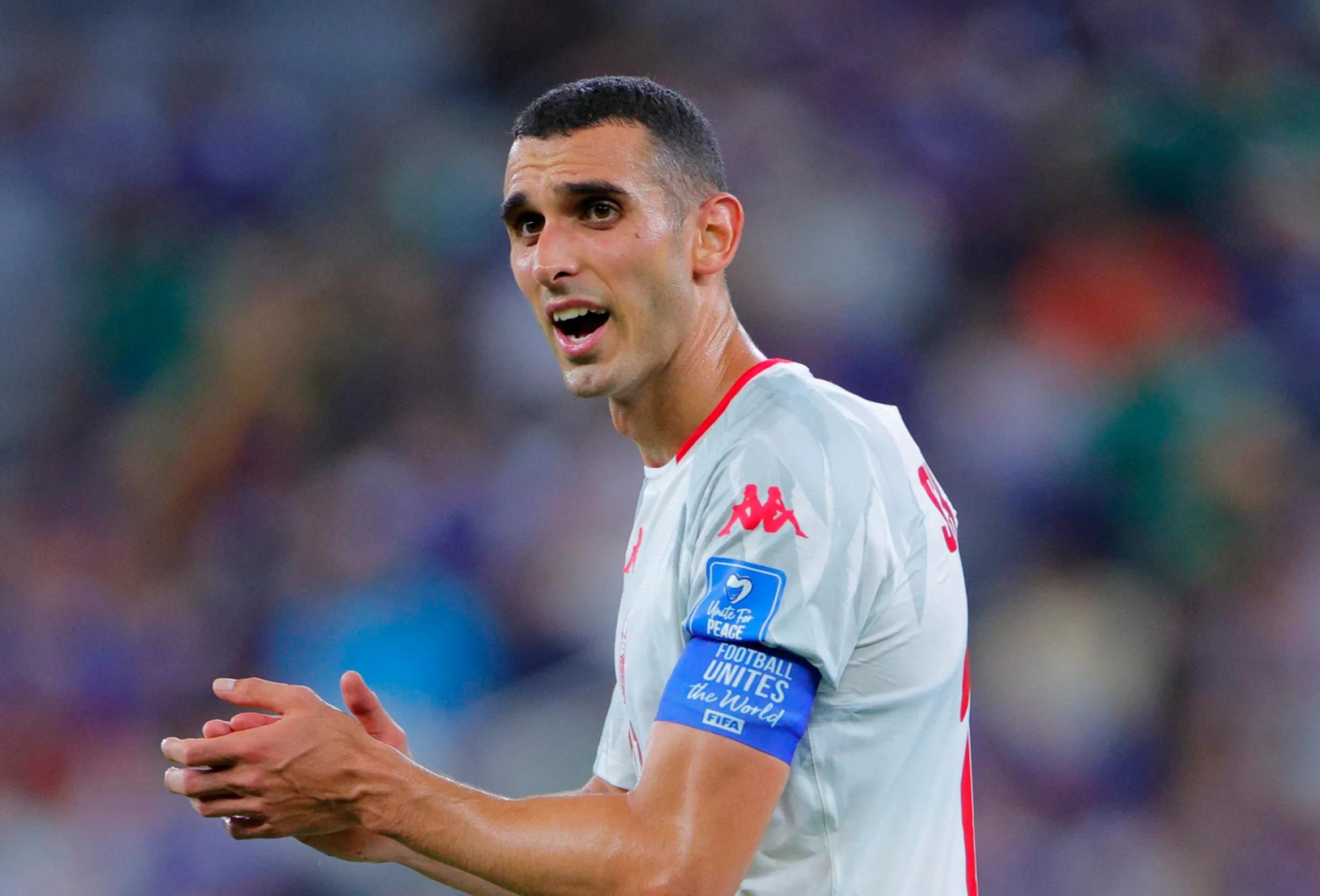
Leadership is rarely heavier than when a tournament unravels in front of an entire country. Ellyes Skhiri stood before the cameras with a voice heavy with sorrow, apologizing to Tunisia again and again for a campaign that had collapsed far faster than anyone imagined. The Carthage Eagles arrived in Monterrey believing this could finally be the year they reached the knockout rounds, buoyed by memories of their stunning victory over defending champions France at Qatar 2022. Optimism ran through the squad despite underwhelming preparation, and many supporters believed a new page was about to be written. Instead, they suffered the heaviest defeat in their World Cup history, a 5-1 humiliation against Sweden that forced the federation to dismiss Sabri Lamouchi and summon Herve Renard in desperation. Renard's magic, so potent with Morocco and Saudi Arabia in previous tournaments, had no time to take root. A 4-0 demolition by Japan confirmed what the first result had suggested: Tunisia were going home early. Skhiri did not hide behind excuses. He admitted the squad simply did not possess the quality required at this level, his words carrying the raw pain of a man who felt the disappointment of millions on his shoulders. The apology was genuine, the grief visible, but the damage was done. For a nation that had dared to dream of progress, the nightmare had arrived with brutal speed. Whether the captain's honesty can begin a process of healing remains an open question, but for now the wounds are fresh and the silence of elimination is deafening. Supporters who had painted streets red and white returned home with banners lowered and voices muted, wondering how a team so full of promise had vanished so quickly. Skhiri promised that Tunisia would learn from the pain, but for a captain who had given everything, those words offered little comfort in the immediate aftermath.
🏟️ Teams
Can a Captain's Tears Ever Heal a Nation's Broken World Cup Dream?