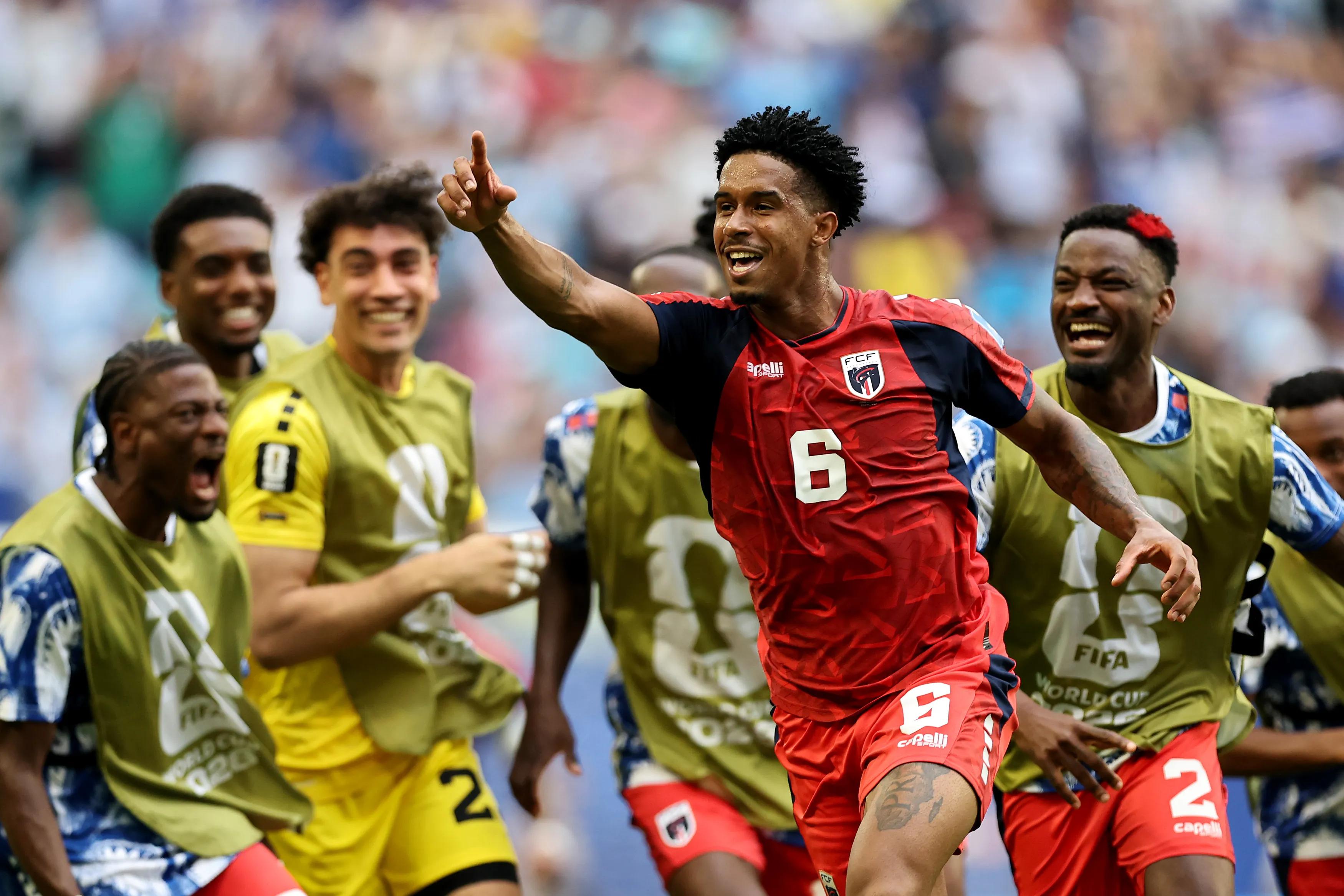
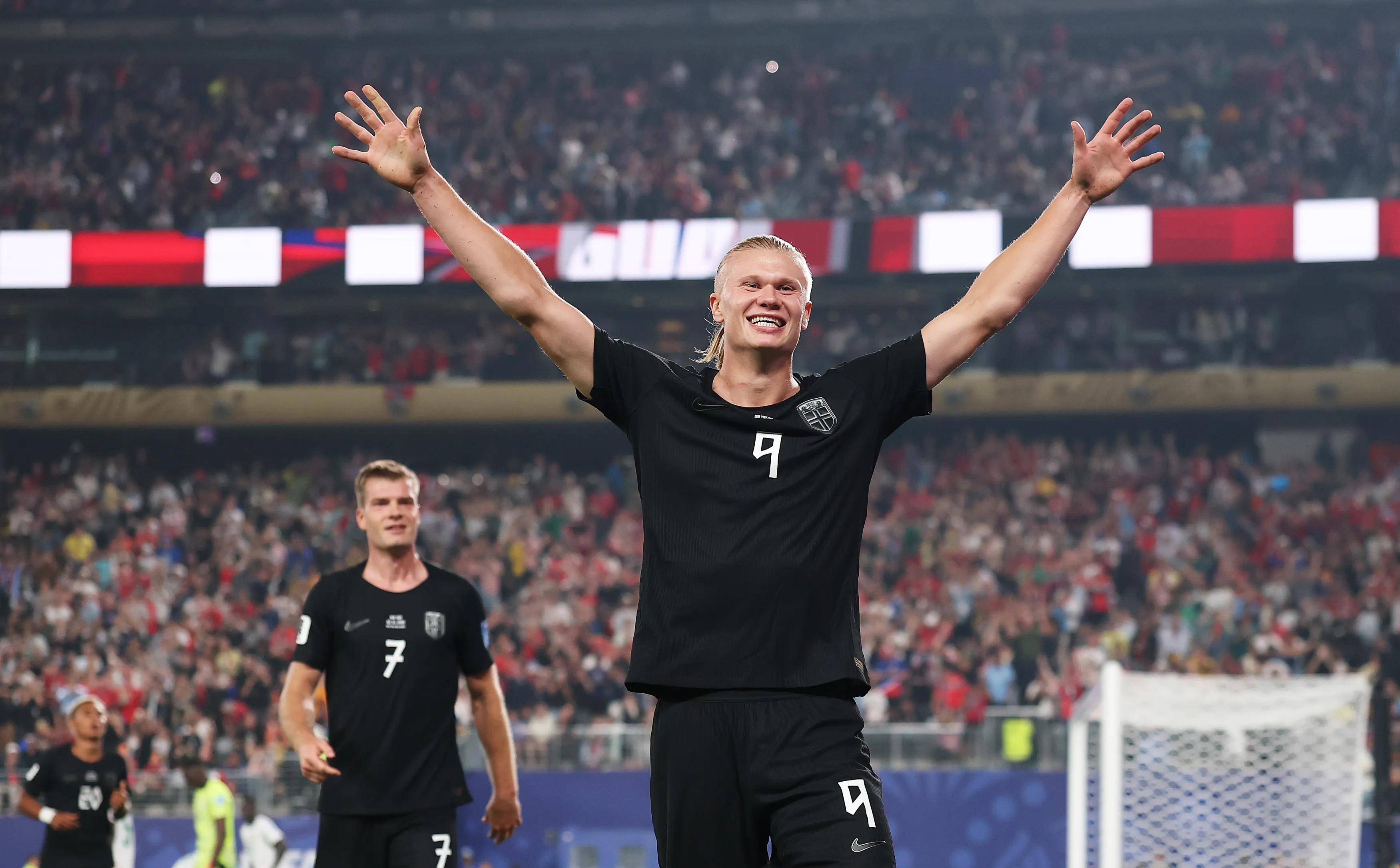
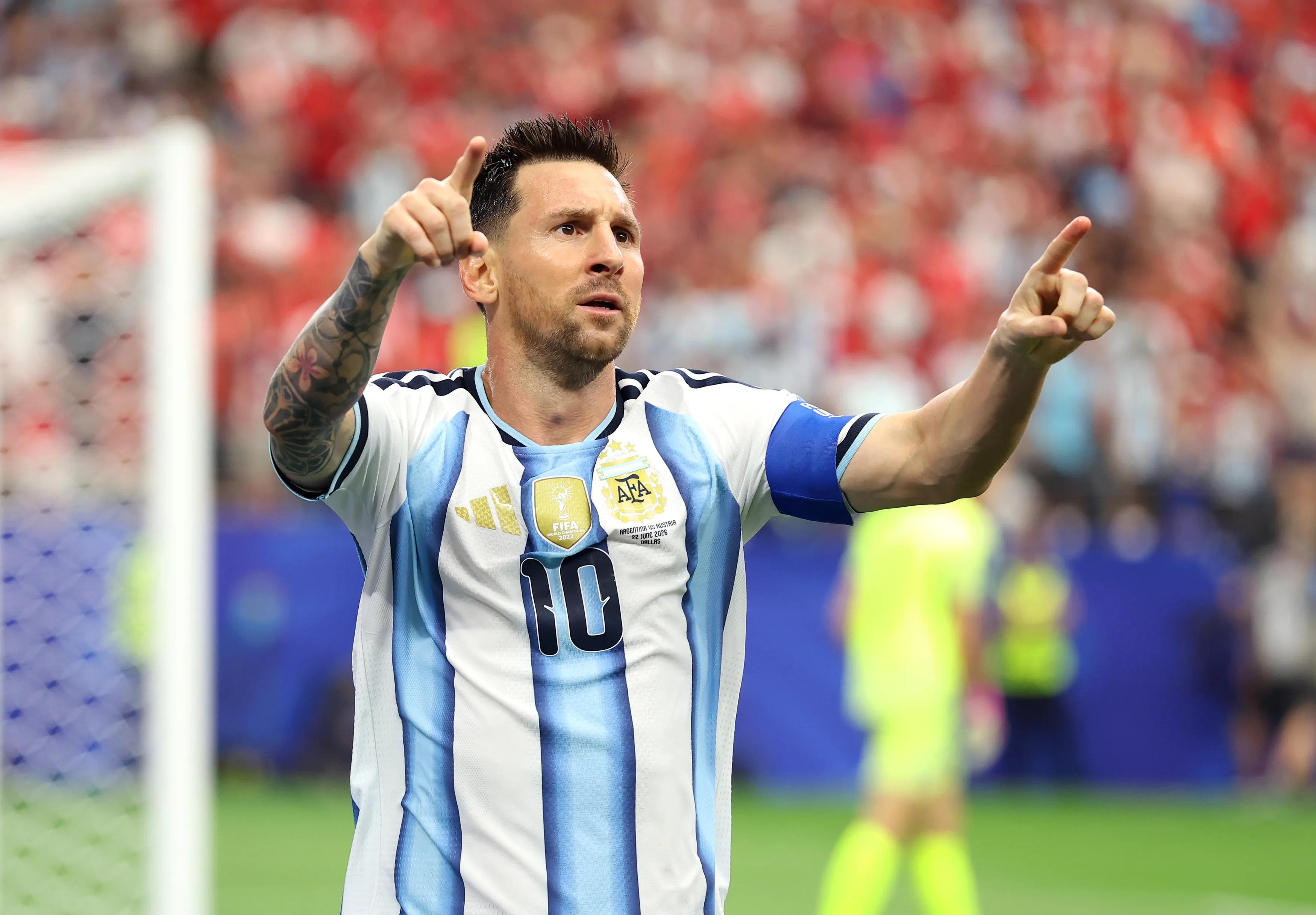
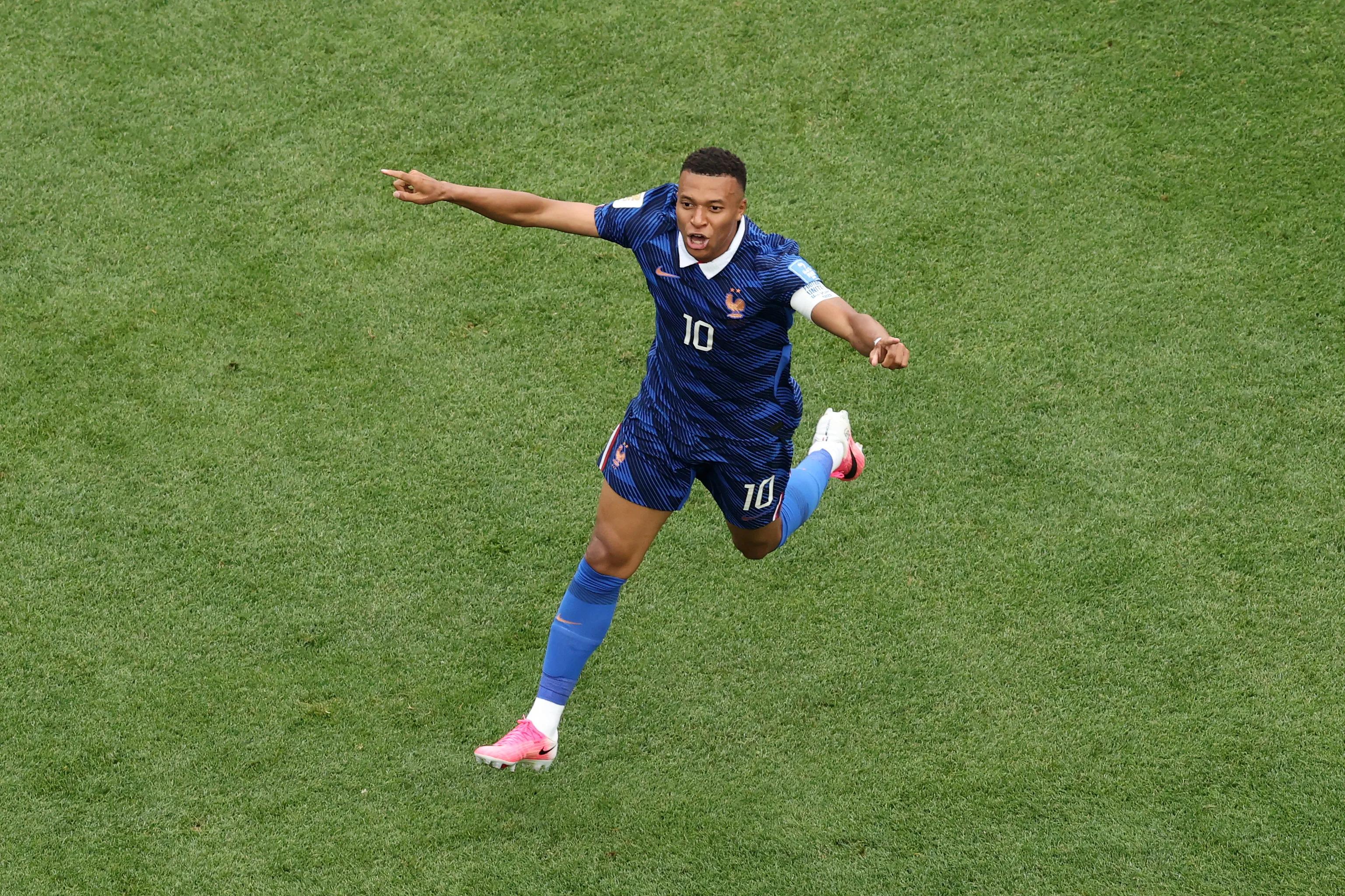
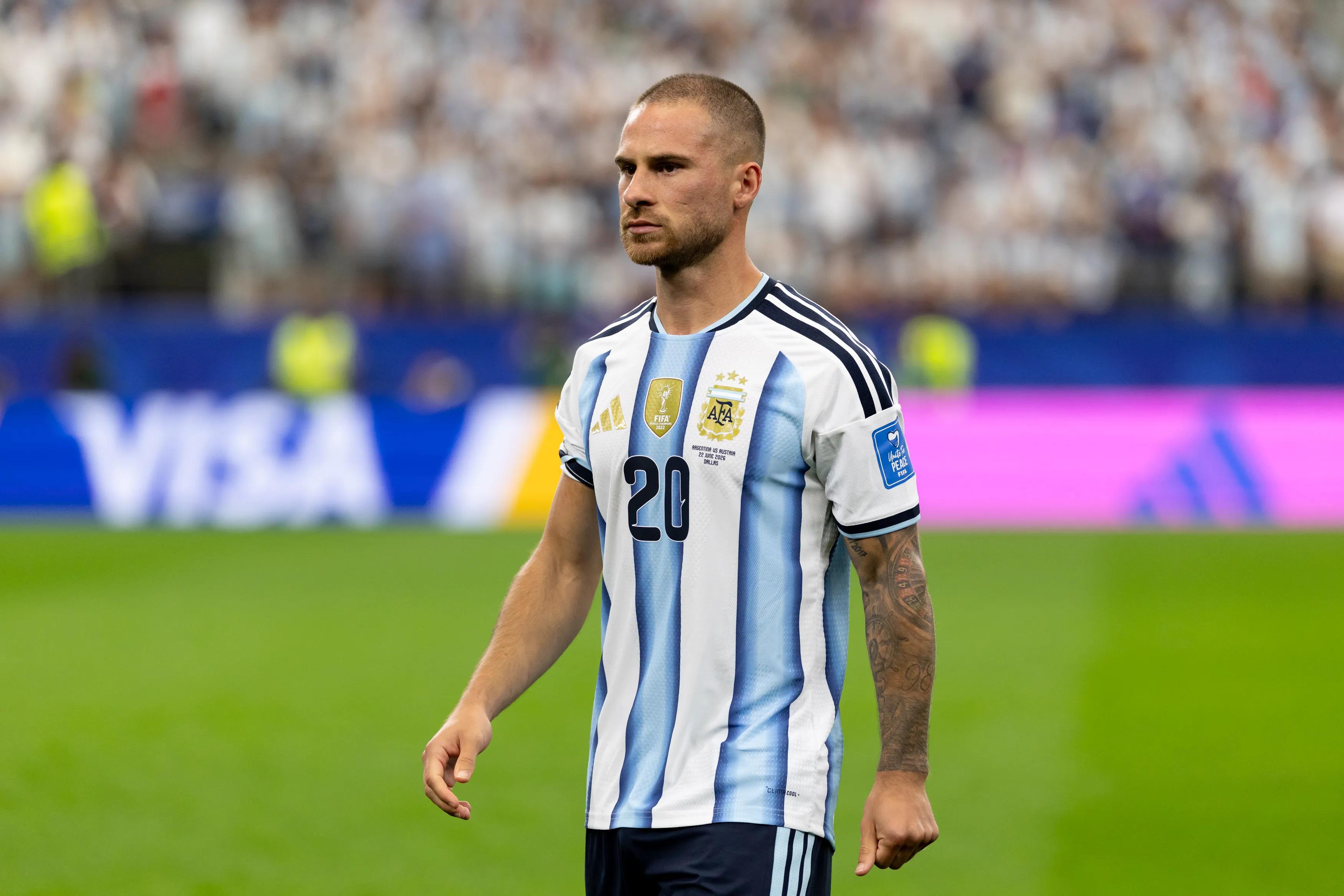
Across four stadiums on a single evening, the mood in several dressing rooms swung from despair to elation and back again. Some teams rediscovered their swagger, others discovered that a debutant fairytale has no intention of ending. In Atlanta, Spain responded to their surprise opening draw by dismantling Saudi Arabia with ruthless precision, racing to a commanding lead before the first hydration break and never looking back. Teenage sensation Lamine Yamal opened the scoring on his return to the lineup, joining the youngest scorers in World Cup history, while Mikel Oyarzabal plundered a brace and an unfortunate own goal completed a 4-0 rout. Belgium and IR Iran, by contrast, served up a tense but barren deadlock in Los Angeles, leaving both sides still searching for their first victory and facing mounting pressure in Group G. The most dramatic chapter unfolded in Miami, where Cabo Verde once again proved they belong on this stage by going toe-to-toe with Uruguay. Kevin Pina unleashed a thunderbolt to put the islanders ahead, and although Uruguay struck twice before halftime through Maxi Araujo and Agustin Canobbio, Helio Varela capitalised on a defensive mix-up to level after the break. Despite relentless pressure from the South Americans, Cabo Verde held firm, with Pico Lopes and Sidny Lopes Cabral leading a heroic defensive stand. To cap the night, Egypt outlasted New Zealand to seize control of their group and end a long wait for success on this stage. The results left Spain back on track, Saudi Arabia staring at a must-win finale, Belgium and Iran desperate for points, and the Blue Sharks believing that anything is possible. For the neutral observer, the evening was a reminder that no narrative is safe in a World Cup, that a single ninety minutes can redraw the map of expectation and turn contenders into strugglers. For the teams involved, it was a lesson in momentum: once lost, it is devilishly hard to recover, and once found, it can carry a side further than talent alone. Managers will spend the next forty-eight hours recalibrating, searching for the tactical tweak or psychological message that prevents their campaign from tipping over the edge. The table now tells a different story than it did at dawn, and by the time the next round of fixtures concludes, it may have changed again.
🏟️ Teams
What if one matchday could flip an entire tournament on its head?