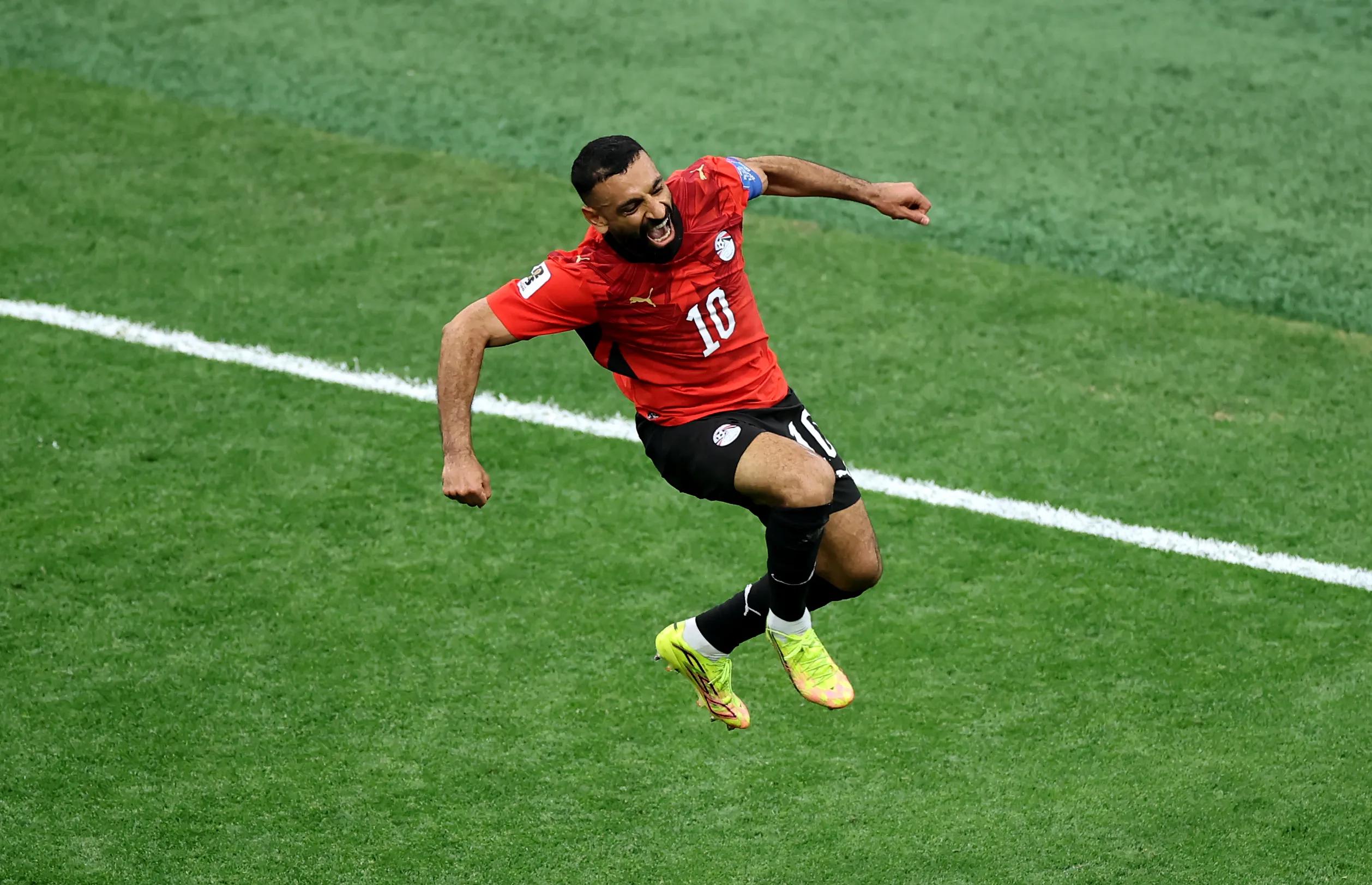
Imagine carrying the weight of nearly a century on your shoulders before a match even begins, knowing that history has been cruel every single time. Egypt's meeting with New Zealand at BC Place Vancouver was never going to be just another group game; it was a confrontation with ninety-two years and twenty-five days of failure, the longest wait any nation had endured for a first World Cup victory. The All Whites struck first, Finn Surman powering home a header from a corner in the fifteenth minute after earlier warning shots from Sarpreet Singh and Elijah Just. For a moment, the old ghosts seemed ready to return. But this Egyptian side proved to be made of sterner stuff. Mohamed Salah and Emam Ashour both went close before halftime, and Salah was denied again by goalkeeper Max Crocombe seconds after the restart. The turning point arrived when Egyptian shot-stopper Mostafa Shobeir produced a stunning reflex save to keep out Callum McCowatt's flicked header, a stop that prevented New Zealand from doubling their lead and kept his team within reach. The reprieve galvanized Hossam Hassan's players, and in the fifty-eighth minute Mostafa Zico rose highest at a set piece to level the score with a commanding header. Nine minutes later, Salah delivered the moment that will echo through Egyptian football forever, finishing coolly after a flowing team move to give the Pharaohs the lead. Trezeguet added a third with eight minutes remaining, sealing a 3-1 comeback that felt both miraculous and overdue. Salah, named Superior Player of the Match, struggled to find words equal to the occasion, speaking of a great achievement for players and staff alike and expressing hope that the team could continue writing history. Egypt had never before trailed at halftime in a World Cup match and won; on this night, they did exactly that. The wait is finally over, and a nation can finally celebrate a victory that refused to arrive for generations.
🏟️ Teams
How does a nation bury ninety-two years of World Cup heartbreak in a single evening?