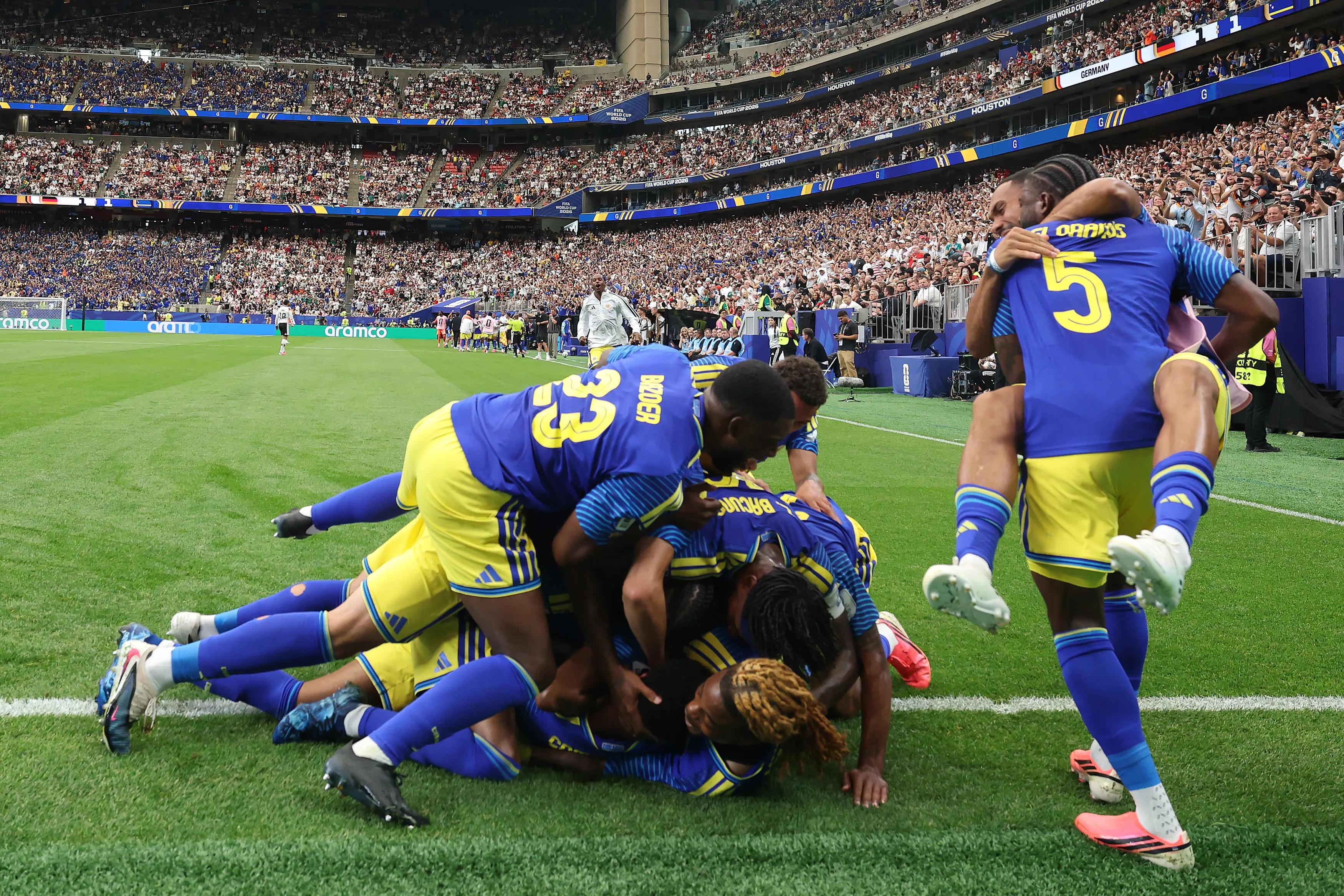
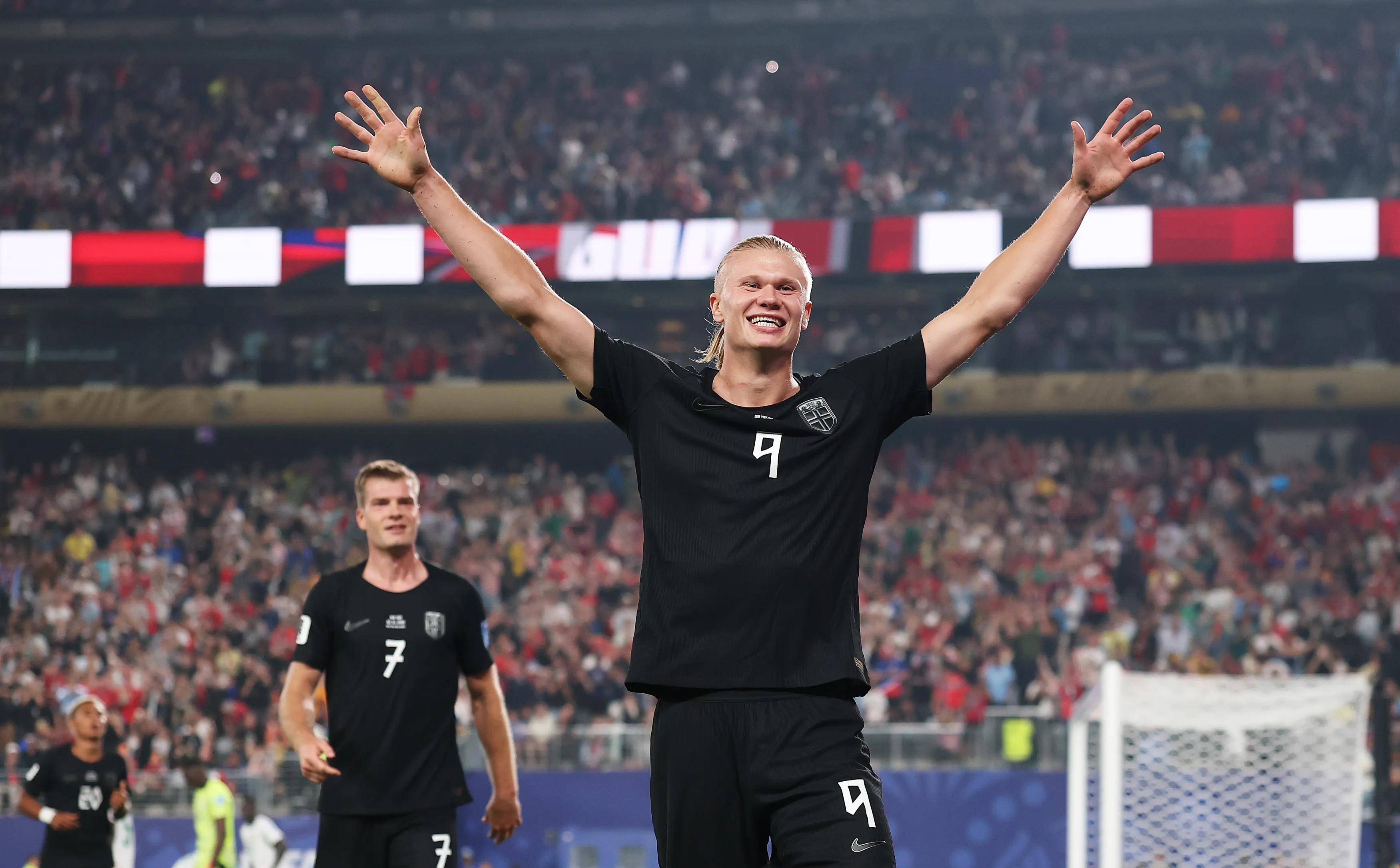
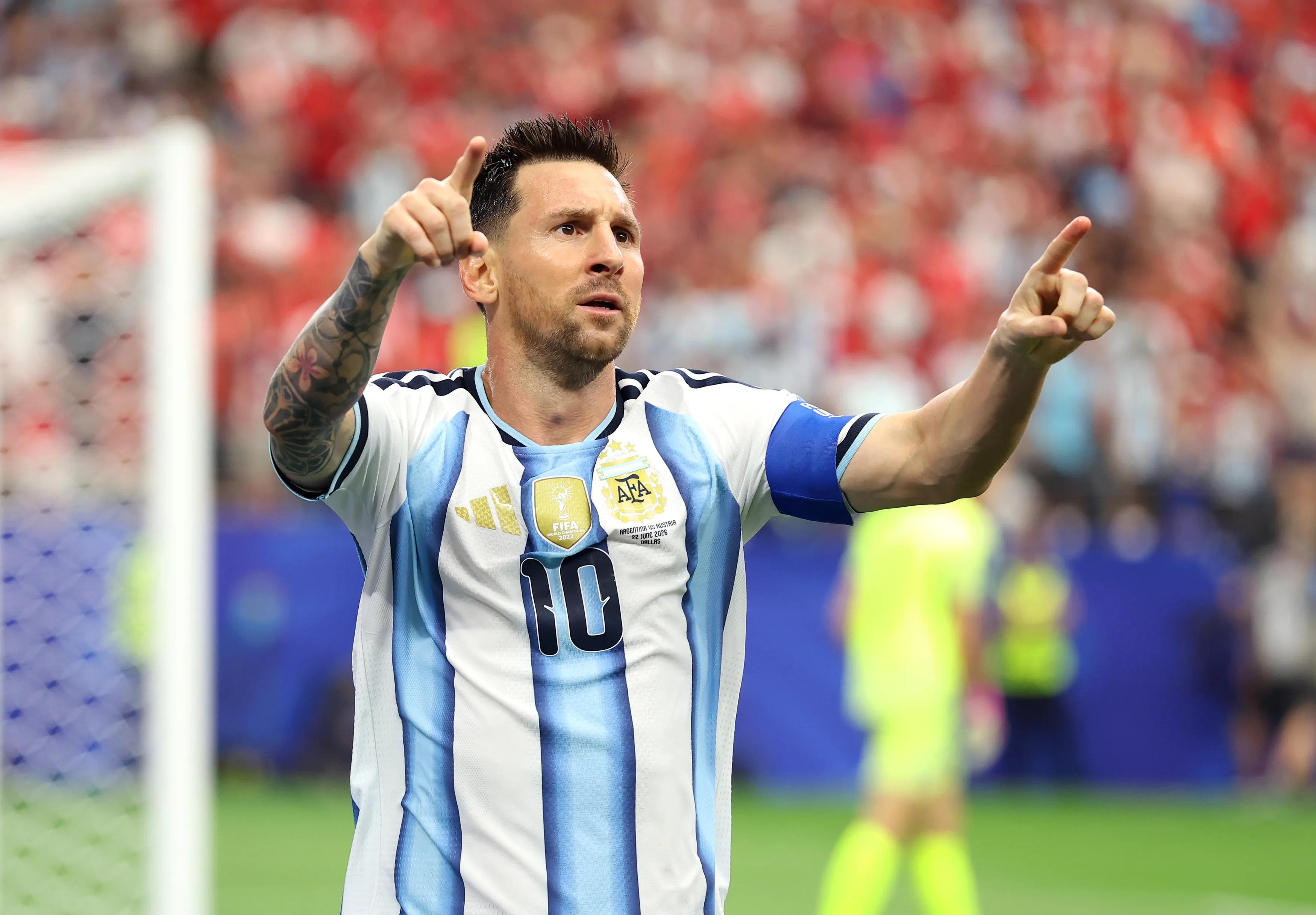
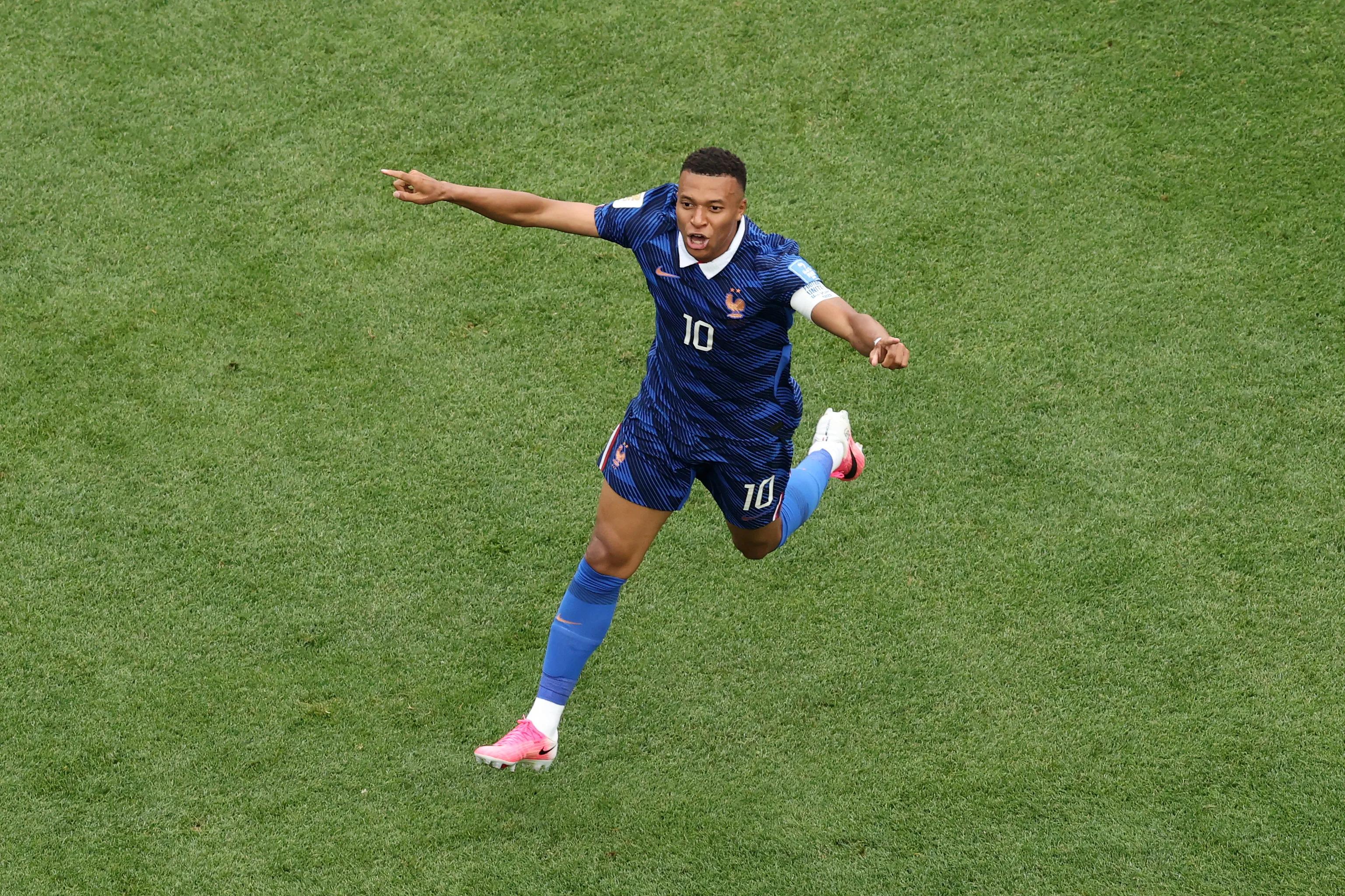
What does a country do with a dream that has been postponed for generations? At the FIFA World Cup 2026, five nations arrived carrying exactly that kind of longing, each still searching for its first ever goal on the sport's biggest stage. Four were first-time qualifiers, wide-eyed newcomers named Cabo Verde, Curaçao, Jordan, and Uzbekistan, while the fifth, Congo DR, returned after an absence so long it felt like a debut of its own. Together they represented decades of longing, and then, in a rush of emotion, the dam finally broke. For Curaçao, the smallest nation by population ever to reach the finals, the breakthrough came through Livano Comenencia. After Germany took the lead through Lukas Nmecha, the Caribbean island could have retreated into caution, but instead it charged forward with a courage that defied logic. Comenencia's equalizer instantly consecrated him as a national legend, proof that size and history are not the same thing. Congo DR's moment arrived through Yoane Wissa, whose header in first-half stoppage time ended a fifty-two-year wait dating back to their appearance as Zaire in 1974. The Fimbu dance that followed was more than a celebration; it was a release of eighteen thousand nine hundred ninety-seven days of accumulated longing. Jordan's Ali Olwan, the top scorer in their qualifying campaign with nine goals, wrote his own inevitable chapter with a thunderous strike off the post against Austria, the kind of finish that seemed predestined for the man who had carried his country this far. Uzbekistan's Abbosbek Fayzullaev added another layer of glory, scoring under the guidance of Cannavaro, a coach who knows exactly what immortality feels like. These were not merely goals; they were historical markers, proof that every nation, no matter how small or overlooked, carries within it the capacity to shock the world. The barrier has been crossed, and the scoreboard will never again be silent.
🔥 Headlines
Which long-suffering nation will be the next to rewrite its World Cup scoring history?