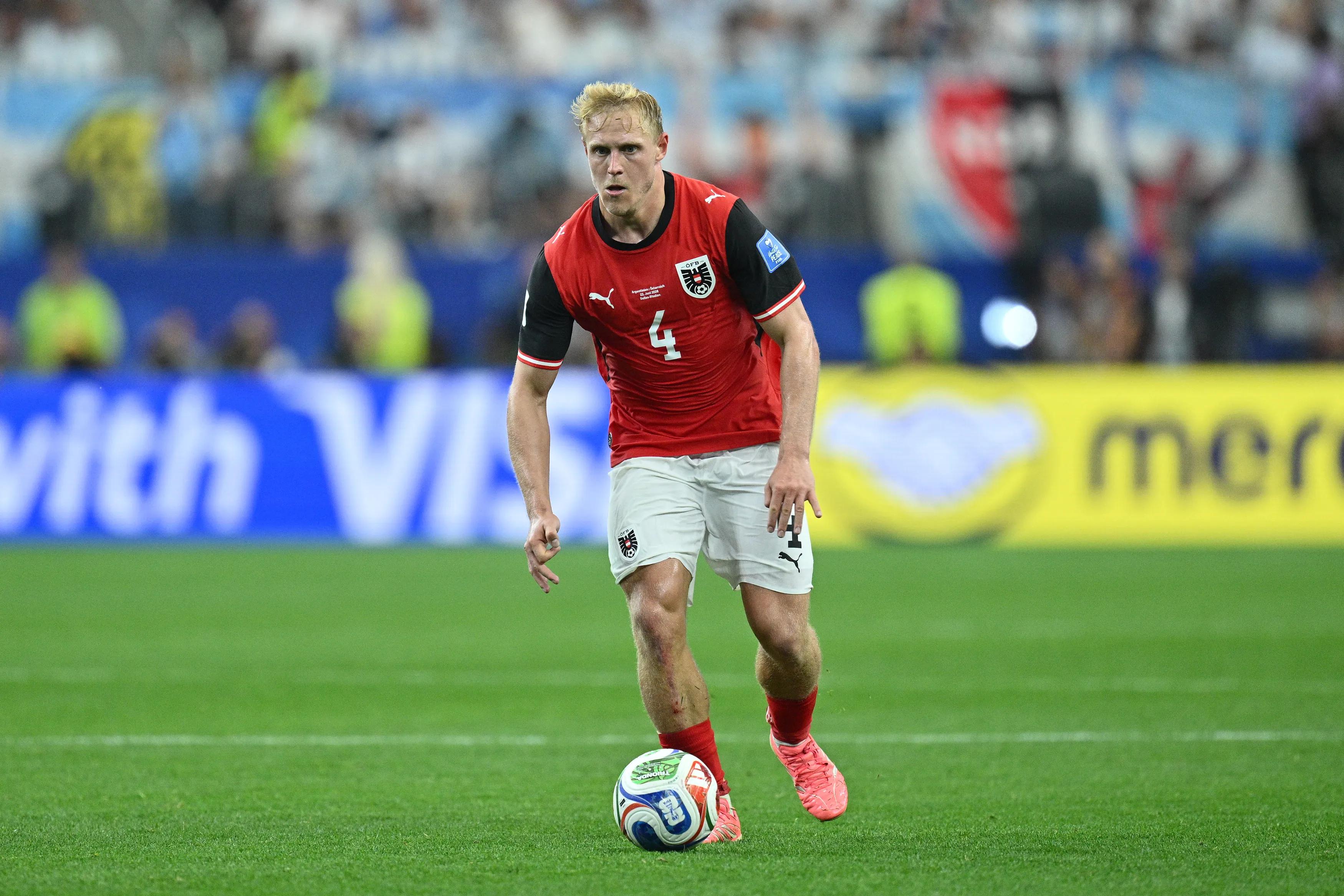
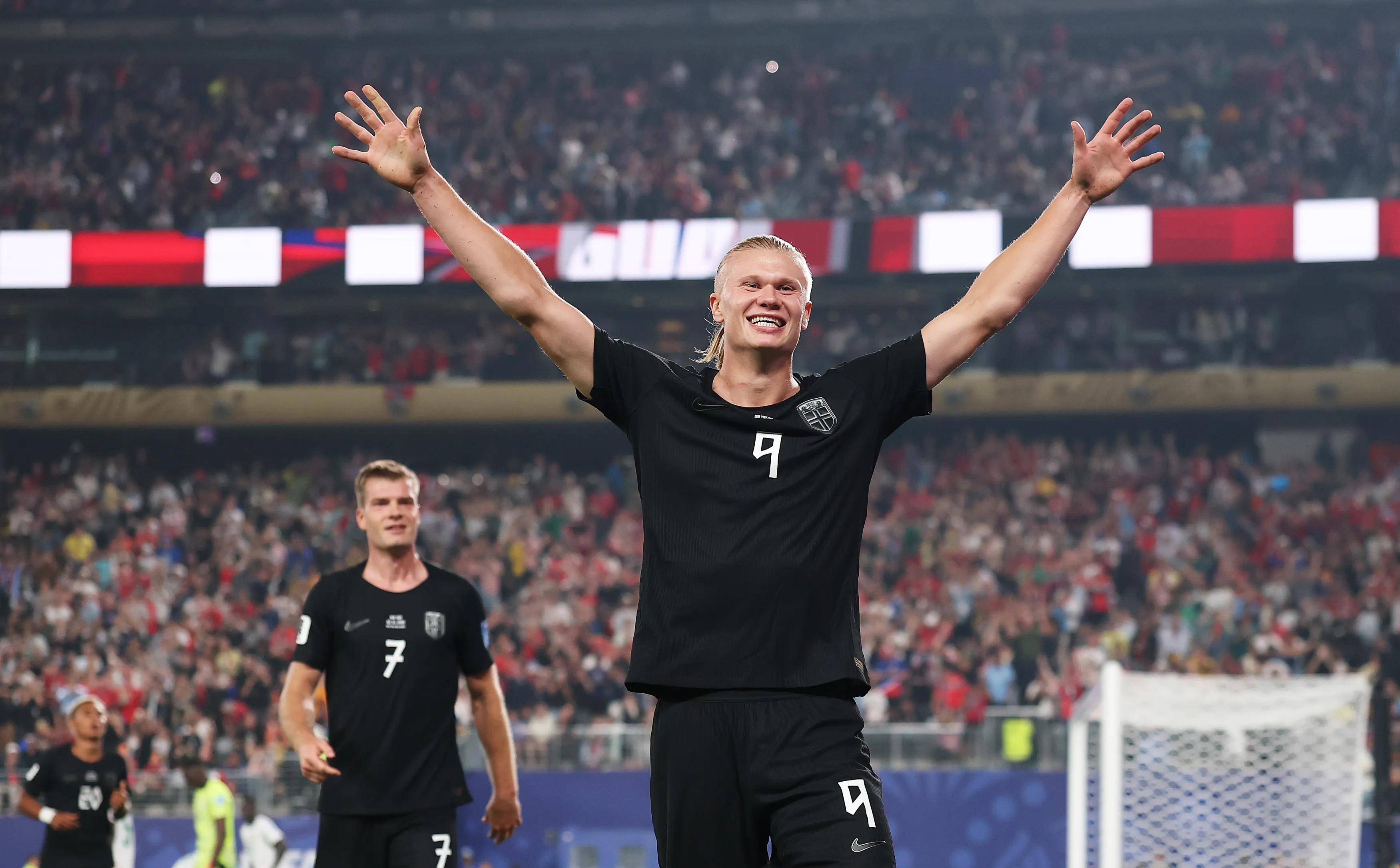
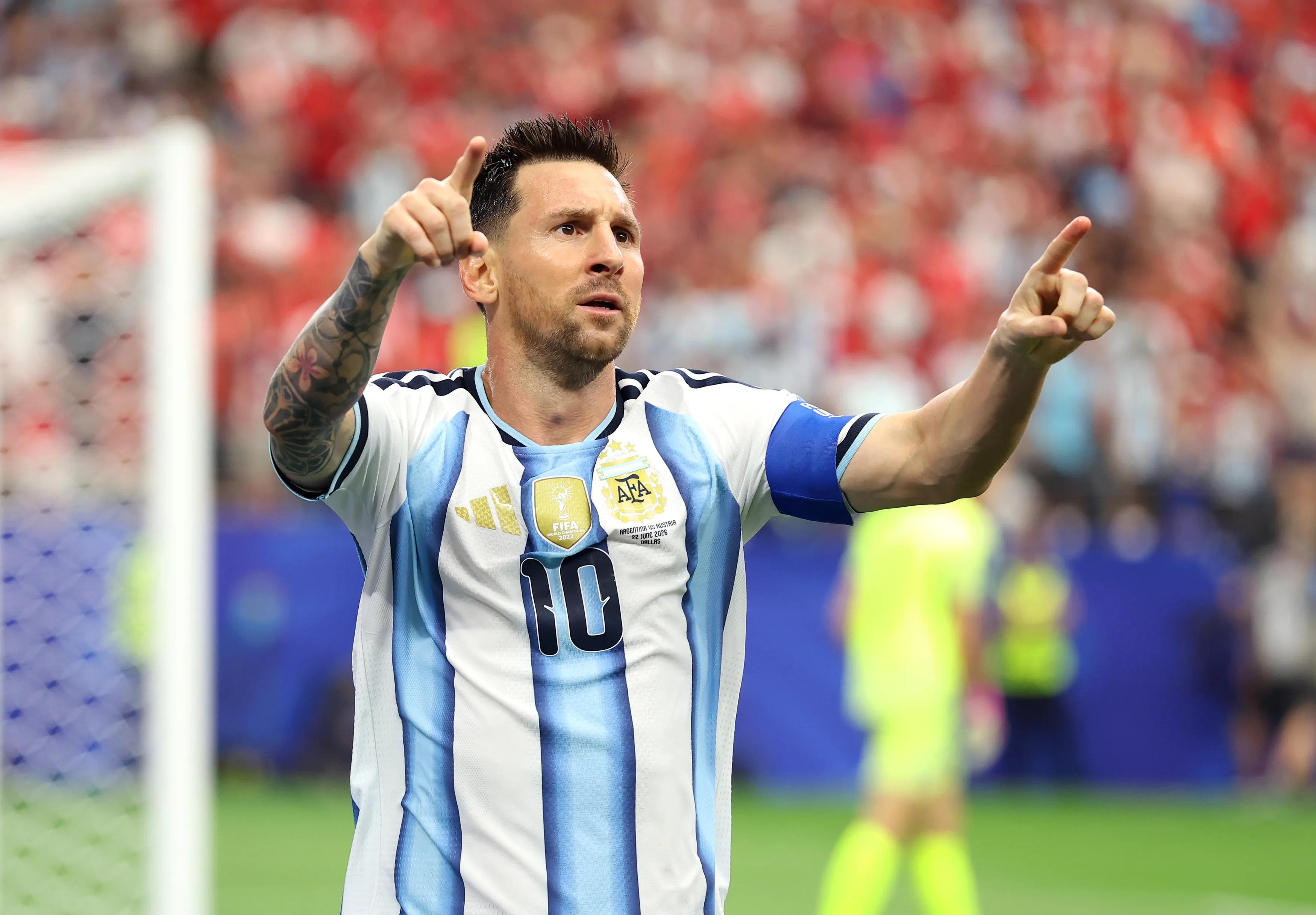
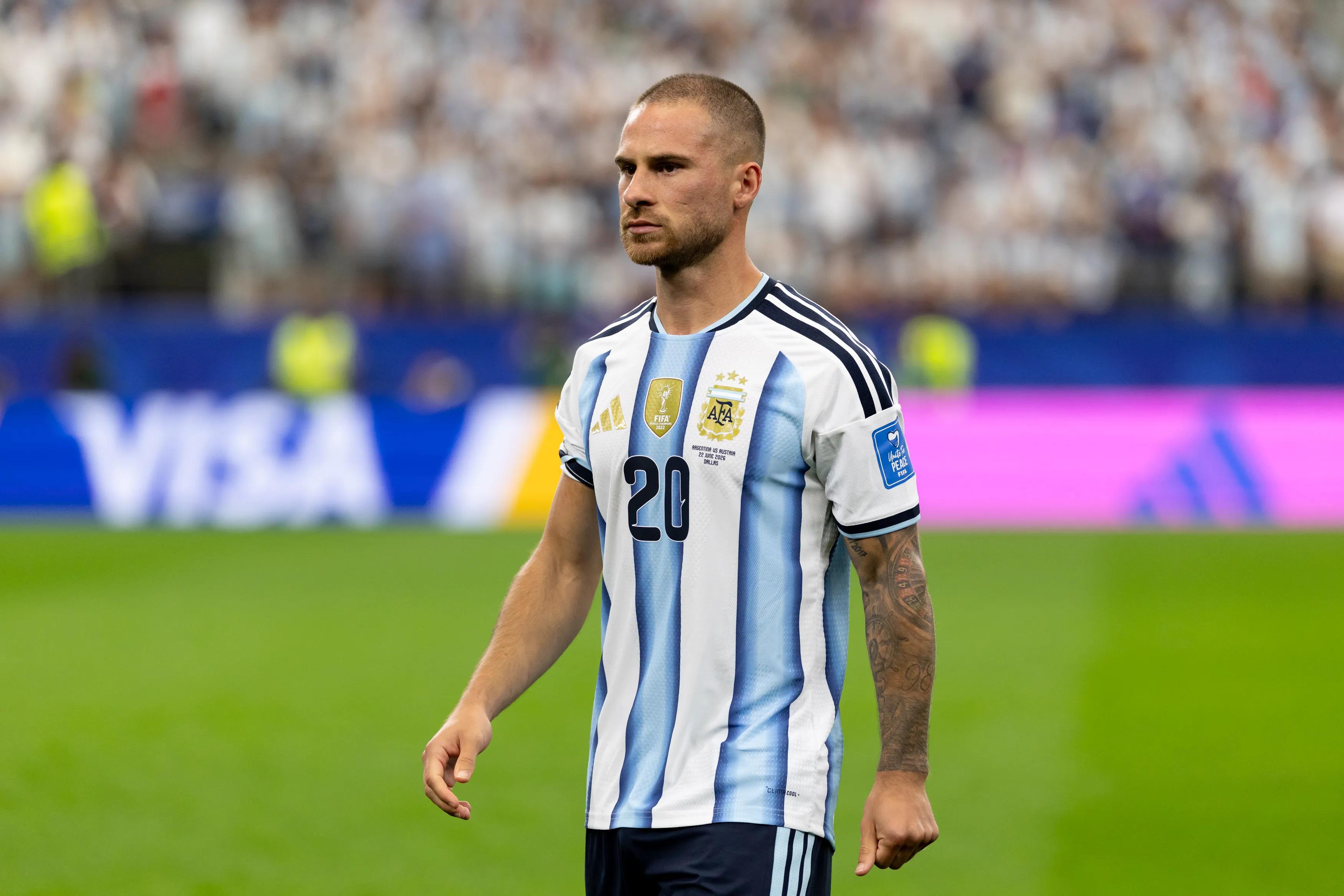
How does a team that has spent more than two decades away from football's greatest stage measure itself against the reigning world champions? Austria's return to the World Cup had already delivered a thunderous statement, a 3-1 opening victory over Jordan that announced their arrival with unmistakable intent. Yet standing across from them at Dallas Stadium was an entirely different proposition, an Argentine side led by Lionel Messi, a player who has turned the impossible into routine. From the opening whistle, the Austrians accepted the uncomfortable truth that survival would demand patience, discipline, and a little good fortune. Midfield anchor Xaver Schlager later acknowledged that fortune had smiled on them in the early exchanges, but he insisted the bigger story was one of intent and structure. His teammates squeezed the spaces Messi usually loves to occupy, forced Argentina to play in wider areas, and reached the interval still very much alive in the contest. The second half brought a different kind of tension, with Austria suddenly discovering belief and creating chances that could have tilted the evening. A set-piece fizzed past despairing defenders, a header flashed agonizingly wide, and for a while the unthinkable seemed possible. Then came the cruelty. With time slipping away, Messi produced the decisive moment, his second goal of the match snatching away the point Austria had fought so hard to earn. Schlager's post-match words carried both frustration and clarity: his side had given the champions too much room at the critical moment, and they knew it. Still, three points from two games leaves Austria in control of its own fate. A victory over Algeria in the final group fixture would seal passage to the knockout rounds, and Schlager made clear that the performance against Argentina had set a standard worth chasing. The defeat hurt, but the belief it forged may yet prove more valuable than any single result.
⭐ Players
What does it take for a returning underdog to walk away from Messi's Argentina with its head held high?