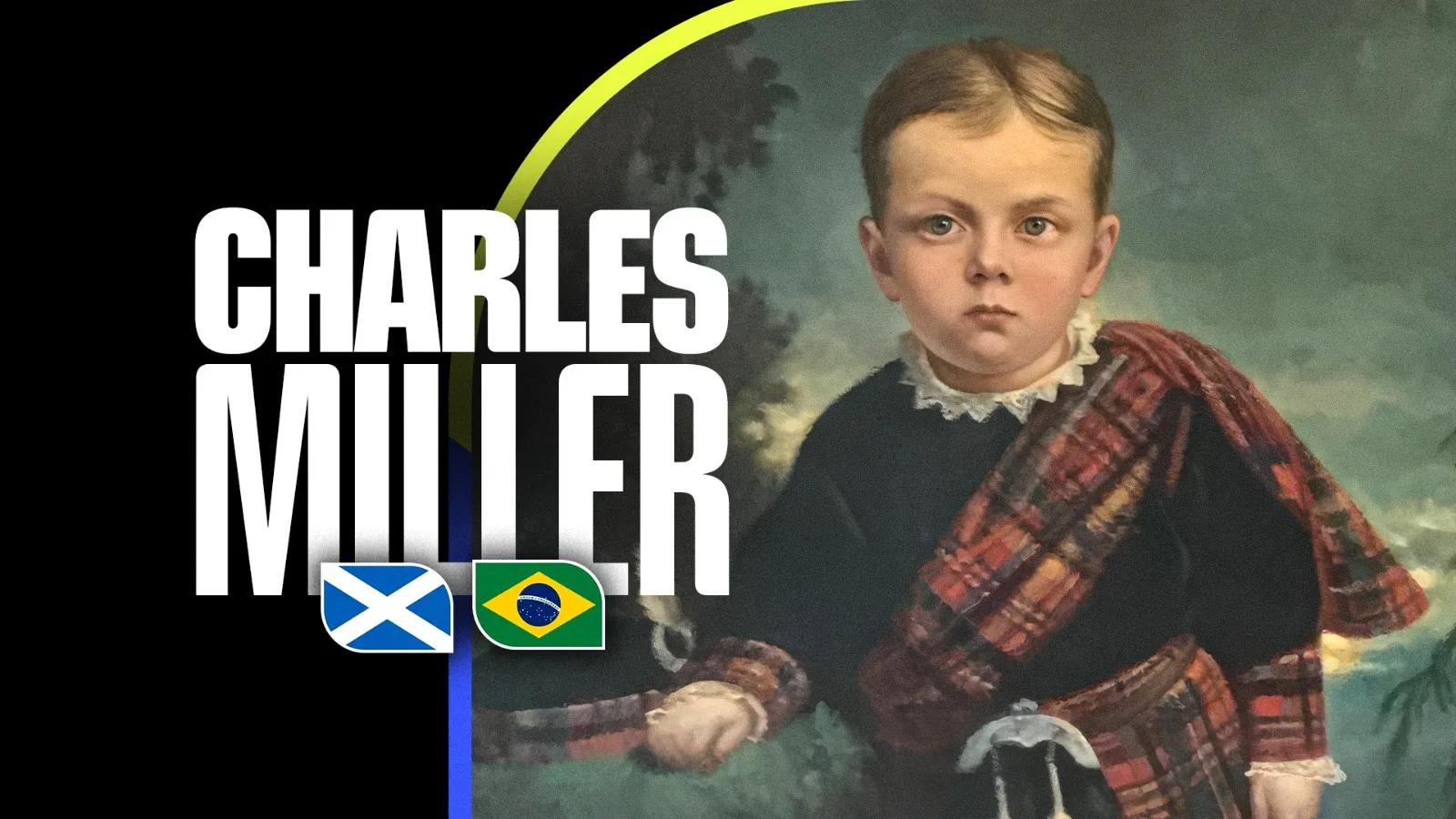
How did a game invented on the cold industrial pitches of Victorian Britain take root in the sun-drenched streets of South America? The answer begins with a single Scottish family and a young man named Charles Miller, whose return to São Paulo with little more than a football and a rulebook planted the seeds of what would become Brazilian football culture. When Brazil and Scotland meet in their final Group C fixture at the FIFA World Cup 2026, the encounter will carry far more weight than a typical group-stage decider; it will represent the reunion of a sport with one of its earliest and most unlikely missionaries. The two nations have met four times before on this stage, most memorably in 1982 when Zico's unforgettable free-kick helped Brazil recover from a deficit to win 4-1. Yet the true origin story stretches back to 1874, when Charles Miller was born in the Bras district of São Paulo to John Miller, a Scot from the coastal town of Fairlie near Glasgow. John had traveled to Brazil in the 1860s to work on the railway linking Santos to Jundiai, lured by opportunity far from the shipyards and mills of his homeland. His son was sent to England for schooling and came back carrying two leather footballs, a pump, a pair of boots, and a copy of the rules that governed this strange new pastime. That modest cargo would prove explosive. Within a short time, Miller had organized matches, founded clubs, and introduced a structured version of the game to a country that would eventually embrace it more passionately than almost any other on earth. From the pebble beaches of the Firth of Clyde to the floodlit stadiums of modern Brazil, the thread connecting these two footballing cultures is improbable but undeniable. The upcoming match is therefore not merely about points or progression; it is a celebration of a shared inheritance that has given the world some of the most beautiful football ever played.
🔥 Headlines
How did a Scottish son spark a footballing revolution on the beaches of São Paulo?