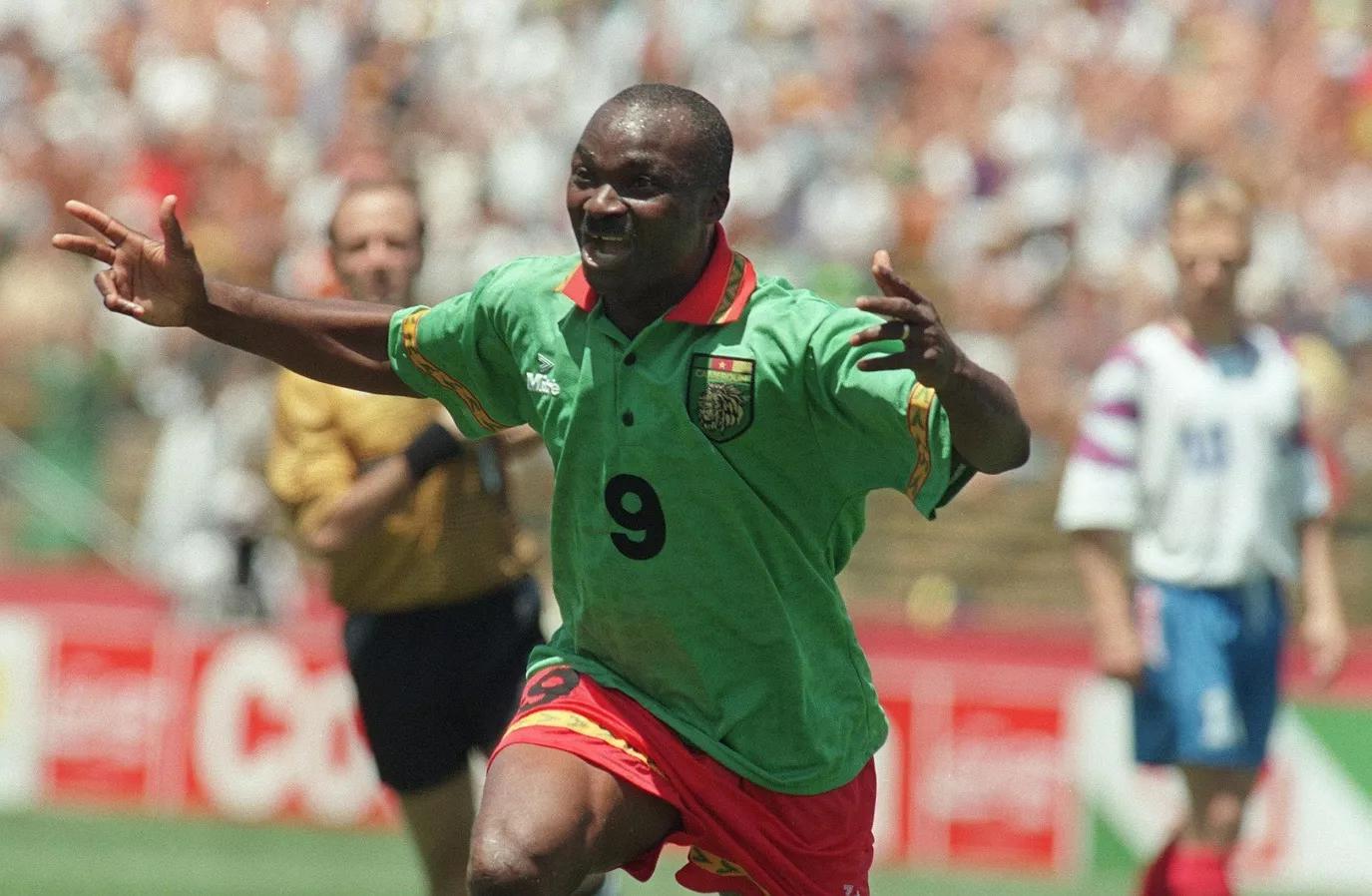
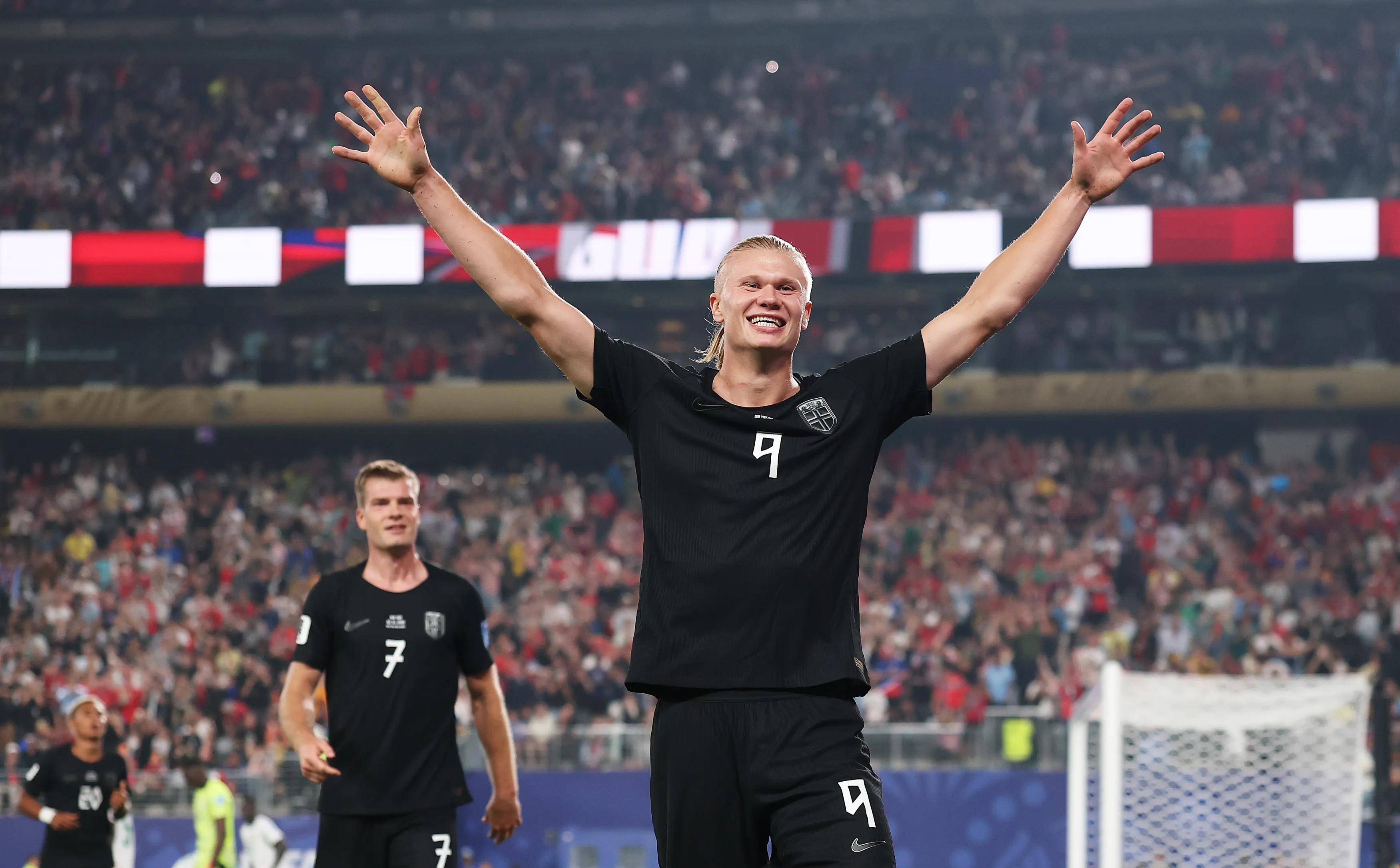
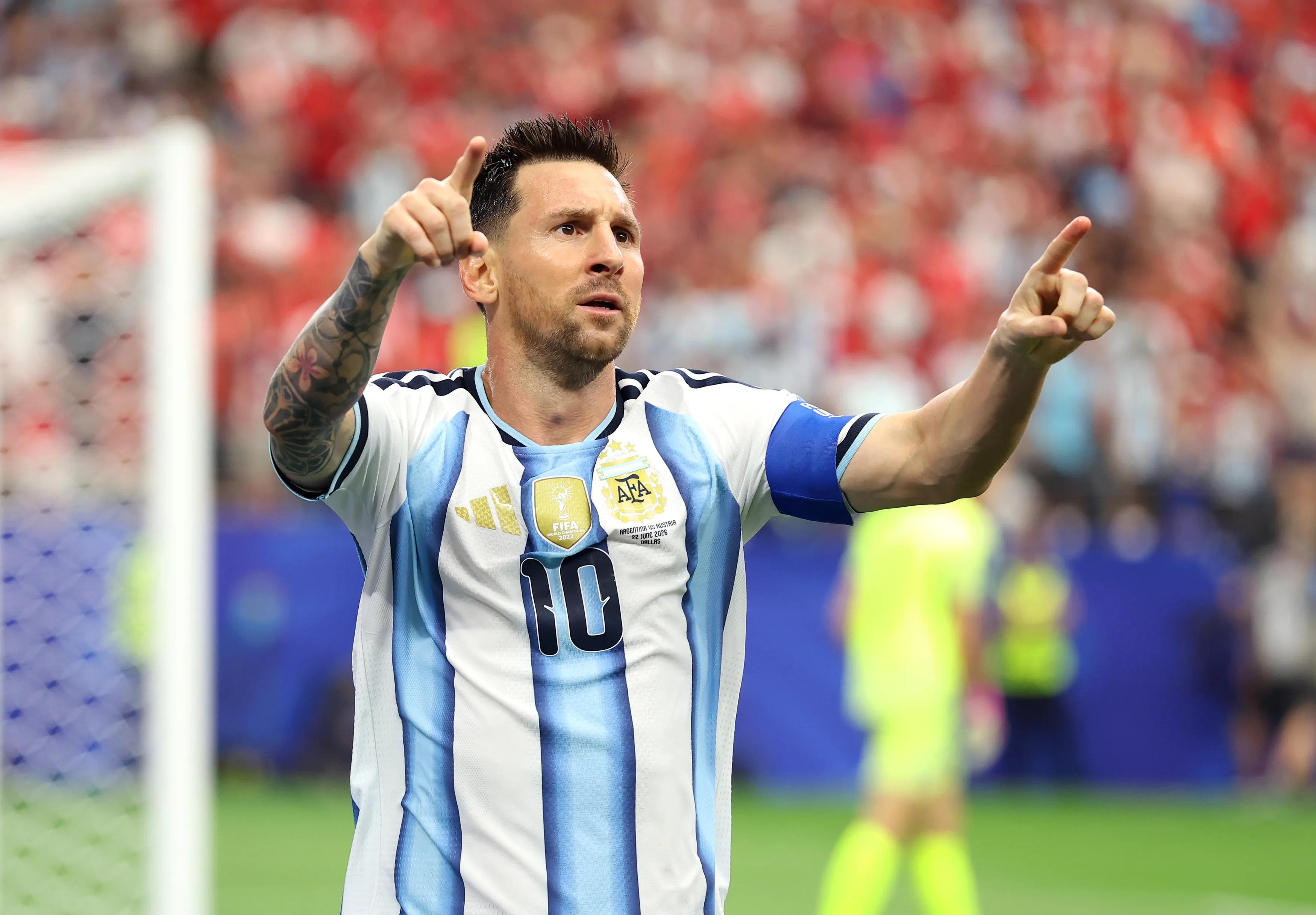
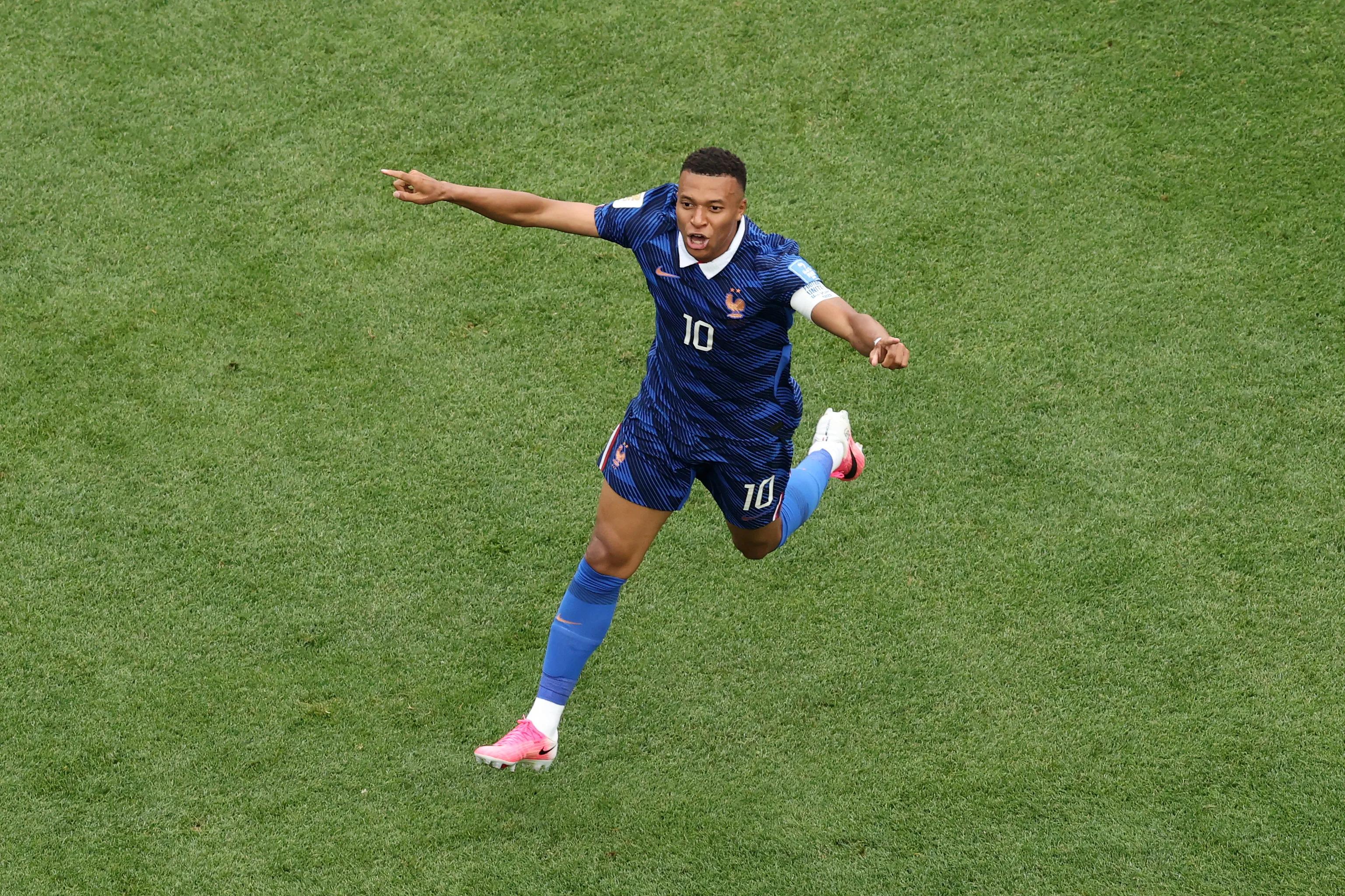
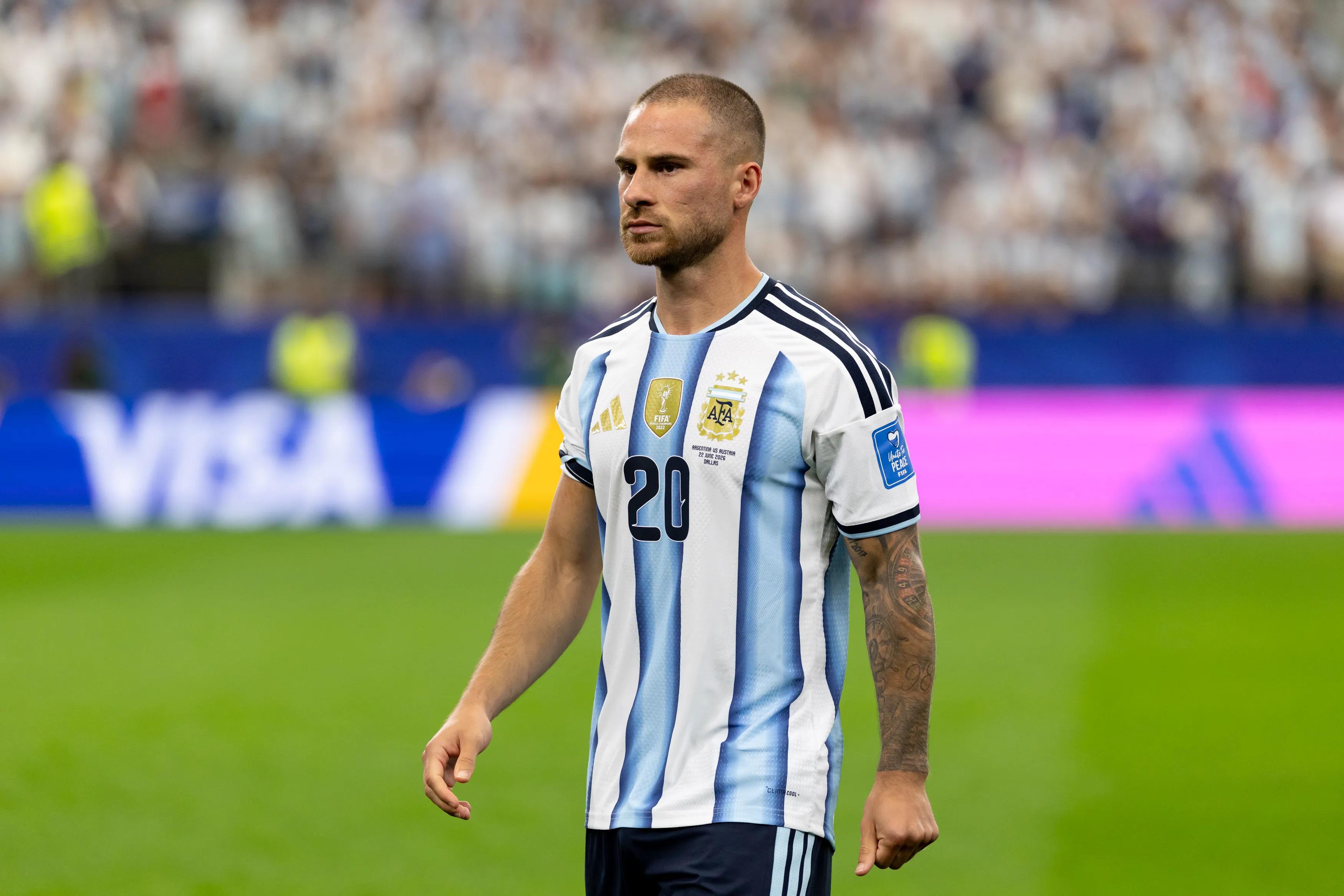
How old is too old to score on the sport's greatest stage, and has anyone ever truly found the limit? The question has fascinated fans for generations, and the answer appears to be that greatness refuses to acknowledge age when the moment demands brilliance. Roger Milla remains the benchmark, having danced past defenders and found the net at forty-two years and thirty-nine days during Cameroon's 6-1 loss to Russia at USA 1994, a moment that redefined what an athlete in the twilight of a career could achieve. Pepe, the granite-hard Portuguese defender, headed home at thirty-nine years and two hundred eighty-three days during Portugal's 6-1 rout of Switzerland at Qatar 2022, proving that even centre-backs can develop a striker's instinct when the occasion calls. Lionel Messi has now forced his way into third place on this venerable list, scoring against Austria at thirty-eight years and three hundred sixty-three days during the 2026 group stage, yet another entry in a catalogue of records that grows more absurd with each passing year. Cristiano Ronaldo struck against Ghana at thirty-seven years and two hundred ninety-two days in Qatar, while Sweden's Gunnar Gren found the net in a 1958 semi-final at thirty-seven years and two hundred thirty-six days. Mexico's Cuauhtemoc Blanco, Panama's Felipe Baloy, and Austria's Marko Arnautovic have all demonstrated that experience can be just as valuable as youthful speed, each etching their names among the oldest marksmen in tournament history. The top twenty also includes Obdulio Varela, Martin Palermo, Georges Bregy, Ramin Rezaeian, Olivier Giroud, Tom Finney, Miroslav Klose, John Aldridge, Nils Liedholm, Giovanni van Bronckhorst, Rafa Marquez, and Ricardo Pelaez, a roll call that spans nearly a century of competition. These players remind us that the hunger to perform does not expire with a birth certificate, and that the World Cup has a habit of producing heroes who refuse to be defined by the number of candles on their cake.
⭐ Players
How old is too old to find the net on football's biggest stage?