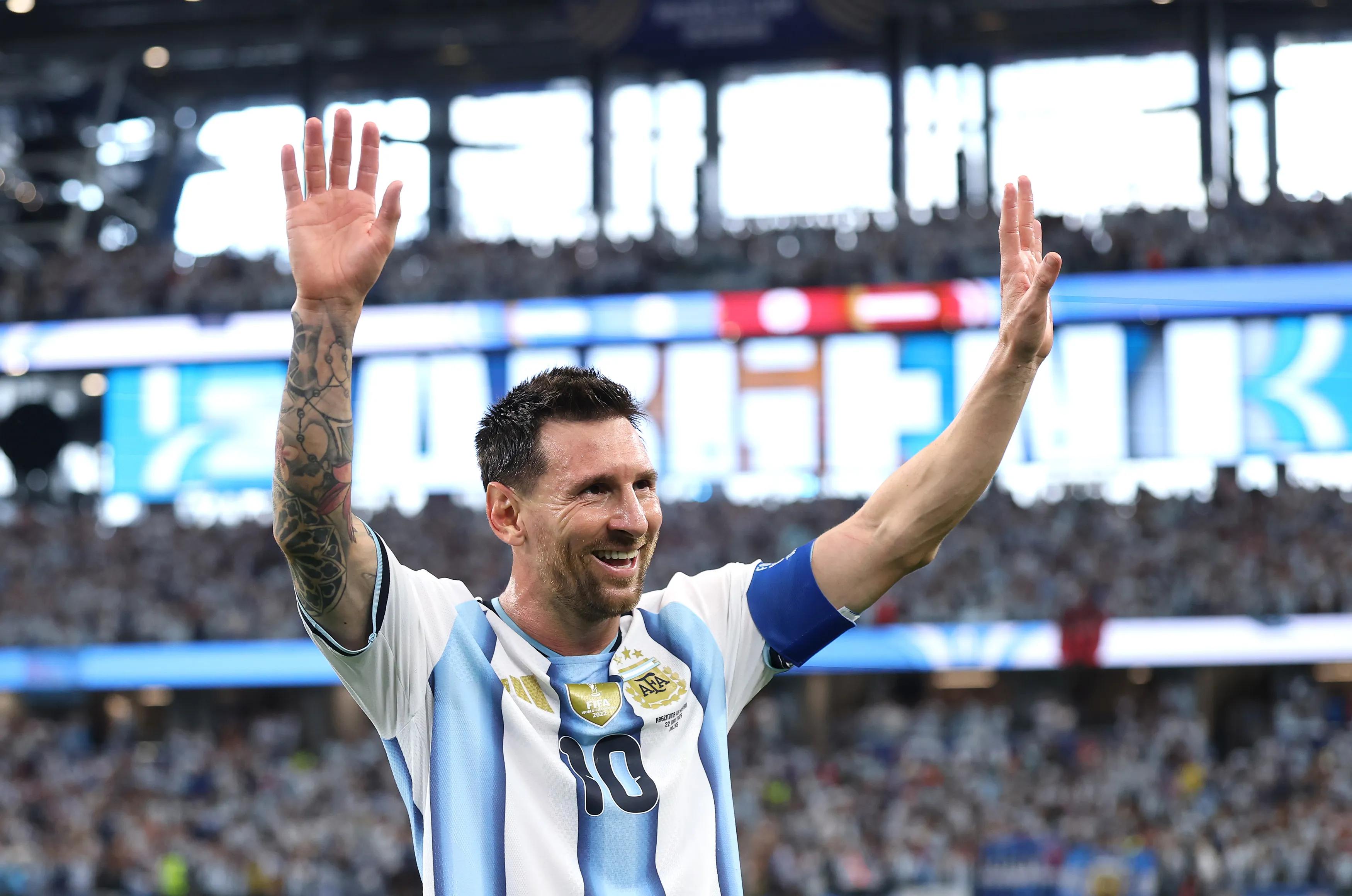
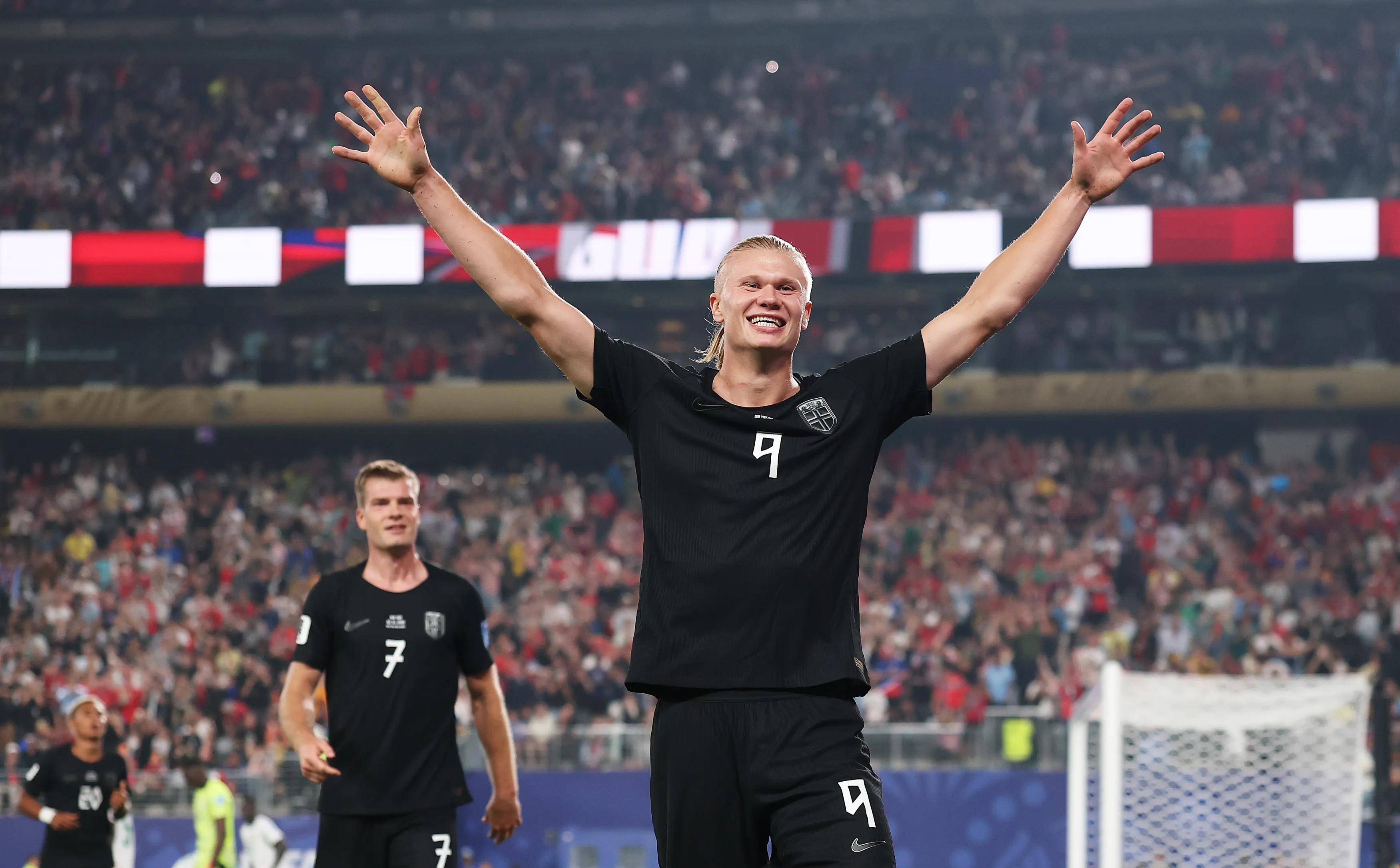
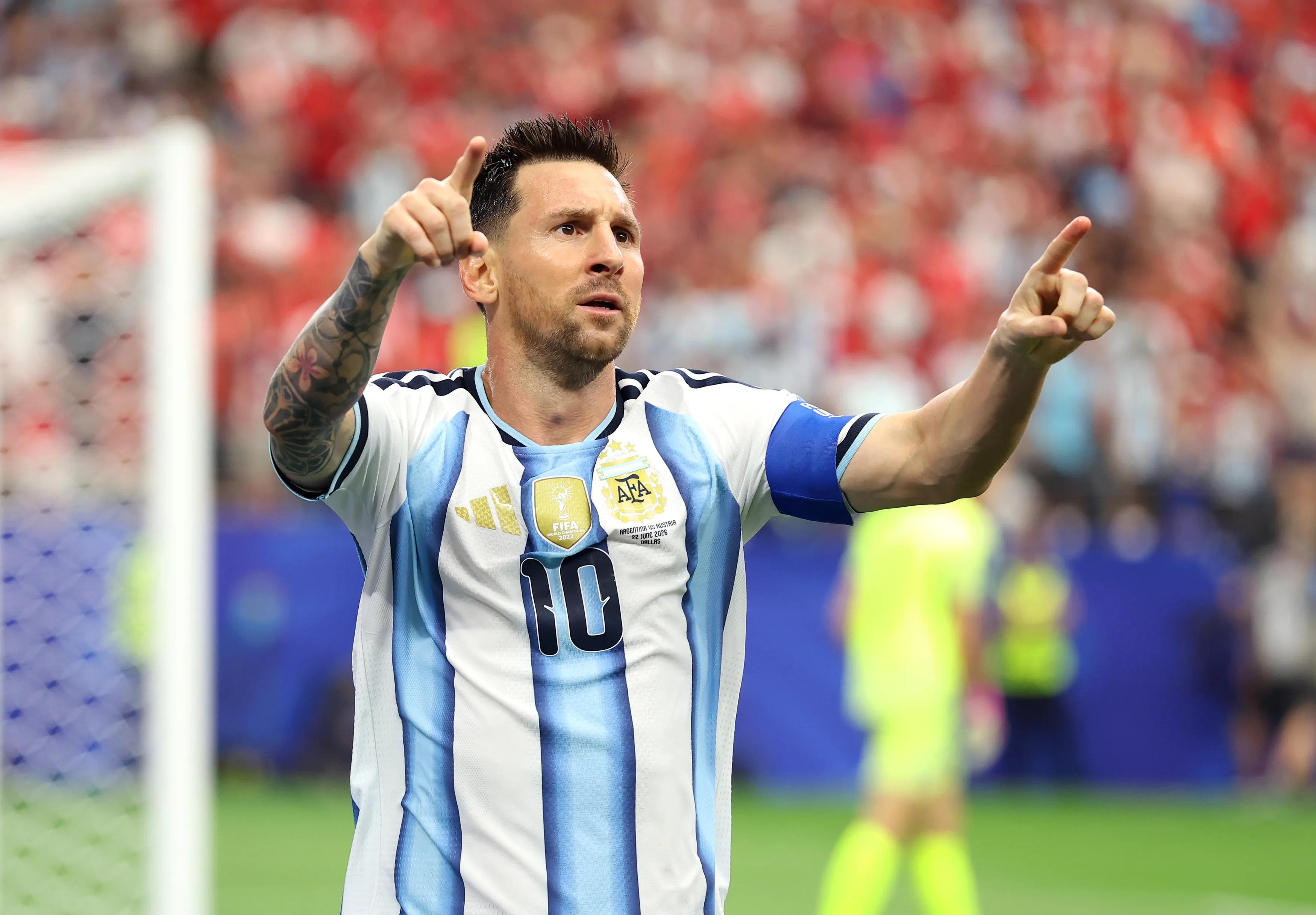
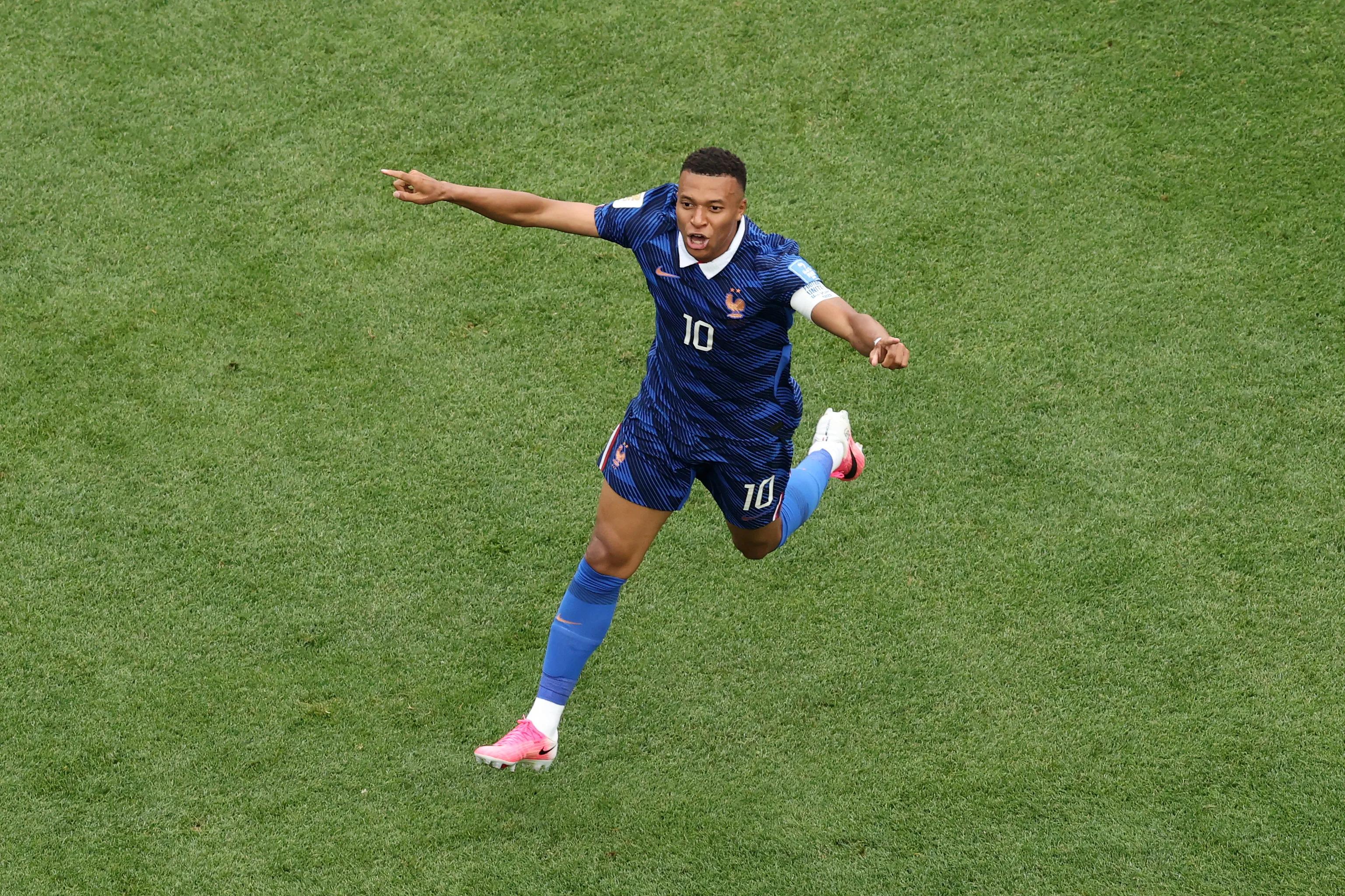
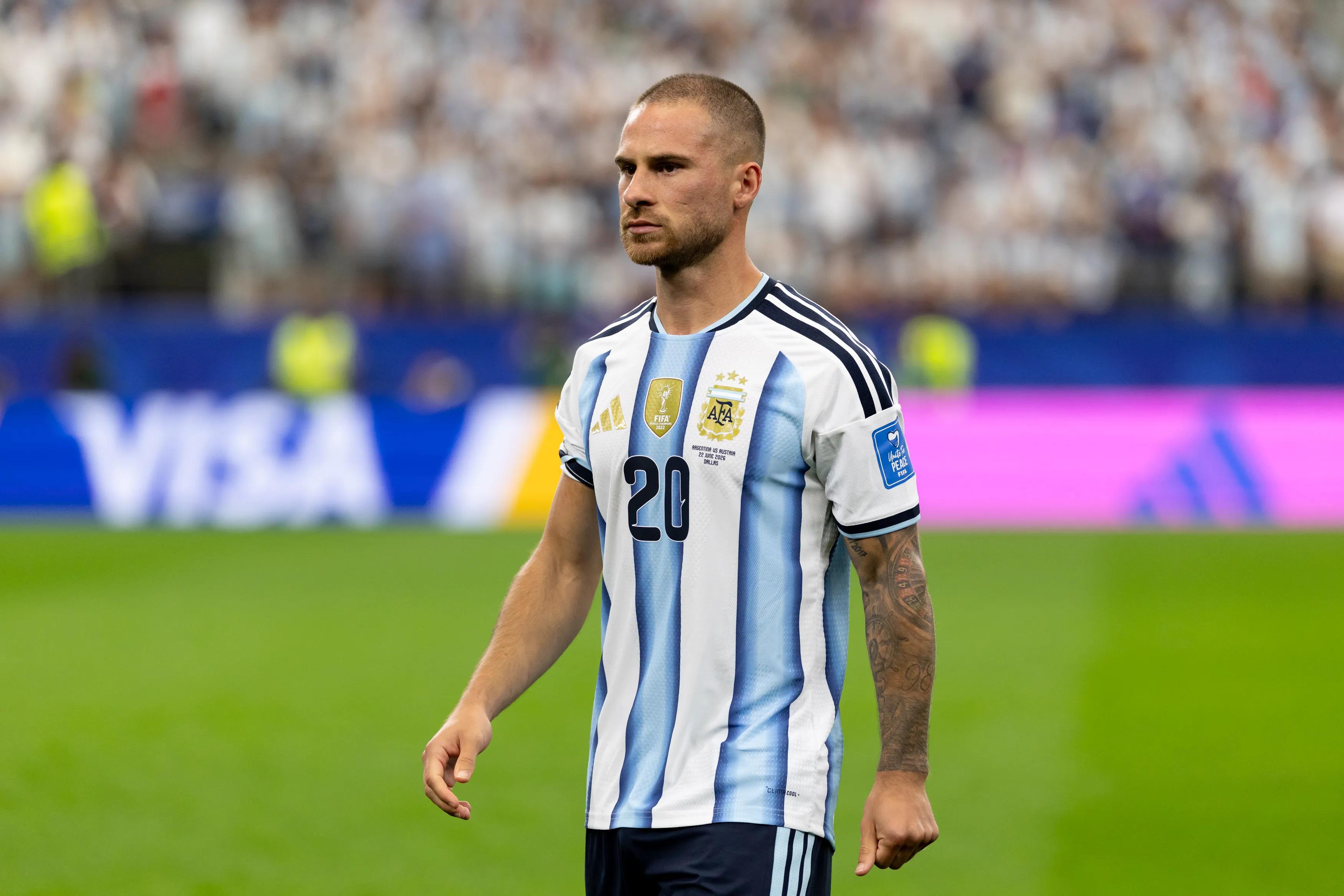
Is winning the World Cup trophy the only way to measure a player's dominance on the grandest stage, or can longevity leave an even deeper mark? Lionel Messi has provided a compelling answer to that question by surpassing Miroslav Klose as the player with the most victories in FIFA World Cup history, a record that reflects nearly two decades of sustained excellence rather than a single fortnight of brilliance. The Argentine captain's eighteenth tournament win came during a controlled 2-0 defeat of Austria at the 2026 group stage, pushing him one clear of Klose's mark of seventeen and raising the tantalizing possibility that he may extend the record even further before the competition ends. Messi's victories trace a path through six World Cups: two as a young squad member in 2006, four more in 2010, five during the heartbreaking final run in 2014, one in a disappointing 2018 campaign, four en route to the Qatar 2022 triumph, and two already on North American soil. Klose's seventeen wins were spread across four tournaments with Germany, including five during the 2002 runners-up finish, five on home soil in 2006, three in 2010, and four in the victorious 2014 campaign. Just behind them sits Cafu with sixteen Brazilian victories, a testament to his durability across multiple editions and two world titles. A cluster of five players shares fourth place on fifteen wins: Wolfgang Overath, Ronaldo, Philipp Lahm, Bastian Schweinsteiger, and Lothar Matthaus, each representing different eras of German excellence. Further down, Lucio, Franz Beckenbauer, Olivier Giroud, Antoine Griezmann, and Paolo Maldini sit among those with fourteen. These figures are not merely administrative statistics; they are evidence of players who repeatedly dragged their teams through the most demanding matches on earth. As the 2026 tournament unfolds, the only uncertainty is whether Messi can widen his lead or whether a younger contender will one day mount a challenge to a record that now seems almost unreachable.
🔥 Headlines
Who has won more World Cup matches than anyone in history—and can they extend the record?