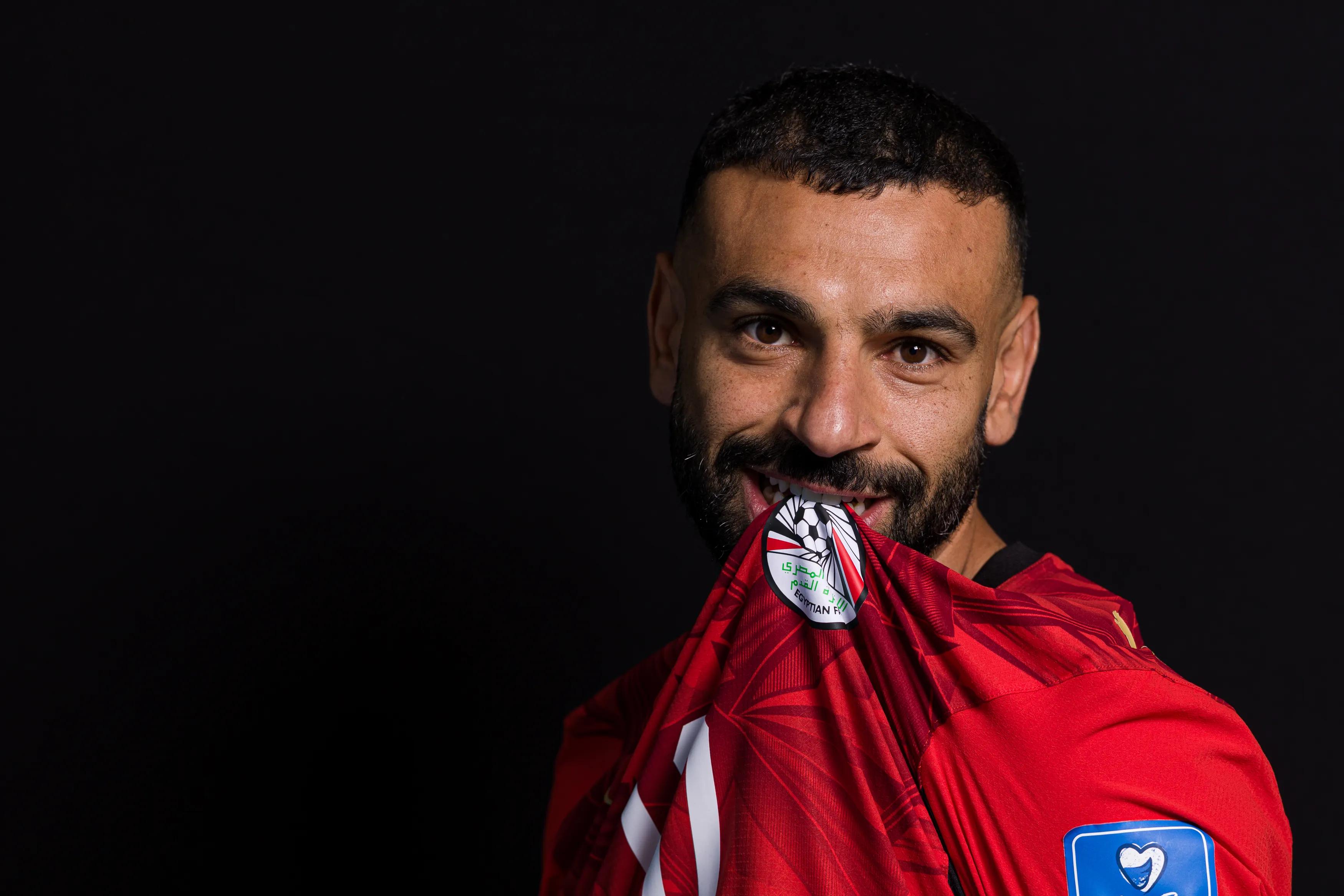
What happens when one player's boot carries the hopes of a nation that has waited more than nine decades for a single moment of World Cup glory? For Mohamed Salah, the answer arrived in Vancouver, where a late goal against New Zealand sealed a 3-1 comeback victory and gave Egypt its first ever win on the sport's biggest stage. The strike was more than a number on a scoresheet; it was the release of generations of longing, a cathartic explosion that reduced the Liverpool forward to tears and lifted the Pharaohs to within touching distance of the knockout rounds. That finish also moved Salah to sixty-eight international goals, just one shy of the national record held by his current manager, Hossam Hassan, setting up the tantalizing possibility that he could overtake his coach on the very pitch where he has spent his career chasing greatness. The goal against New Zealand was not an isolated flash of genius. Earlier in the same match, Salah delivered a pinpoint cross that allowed Zizo to equalize, then embarked on a solo run that ended with the decisive blow, a sequence that encapsulated his ability to create as well as destroy. Long before this night, he had already inscribed himself into Egyptian folklore with the penalty against Congo in 2017 that ended a twenty-eight-year World Cup absence and sent the country to Russia in a state of delirium. That conversion from the spot, cool under unimaginable pressure, confirmed what many already suspected: Salah was a player built for moments that define careers and unite countries. His club exploits at Liverpool, Roma, and Fiorentina have made him the most recognizable footballer Egypt has ever produced, yet it is with the national team that his legend feels most deeply personal. Now, with the record of his own coach within reach, every touch he takes carries added significance. The question is no longer whether Salah belongs among the greats; it is how much higher he can climb before his international journey reaches its conclusion.
🏟️ Teams
Which single strike turned a national hero into an immortal legend?